Can Dogs Eat Cooked Bones?
Chicken wings, rib bones, the turkey carcass: cooked bones splinter and can choke, cut or block a dog. What the FDA says, the warning signs, and what to do.
On this page
No, dogs shouldn’t eat cooked bones. That means chicken wings and drumsticks, rib bones, pork chop and steak bones, ham bones, or the holiday turkey carcass. The free Dog Toxic-Foods Checker flags cooked bones as a serious Caution: “Cooked bones splinter — they can choke a dog or puncture the mouth, throat or gut.” They aren’t a poison, but they can cause an injury that needs surgery.
If your dog just swallowed one, call your vet. The rest of this page covers why cooking makes bones dangerous, what the FDA has said, and the warning signs to watch for over the next few days.
Why cooked bones are dangerous
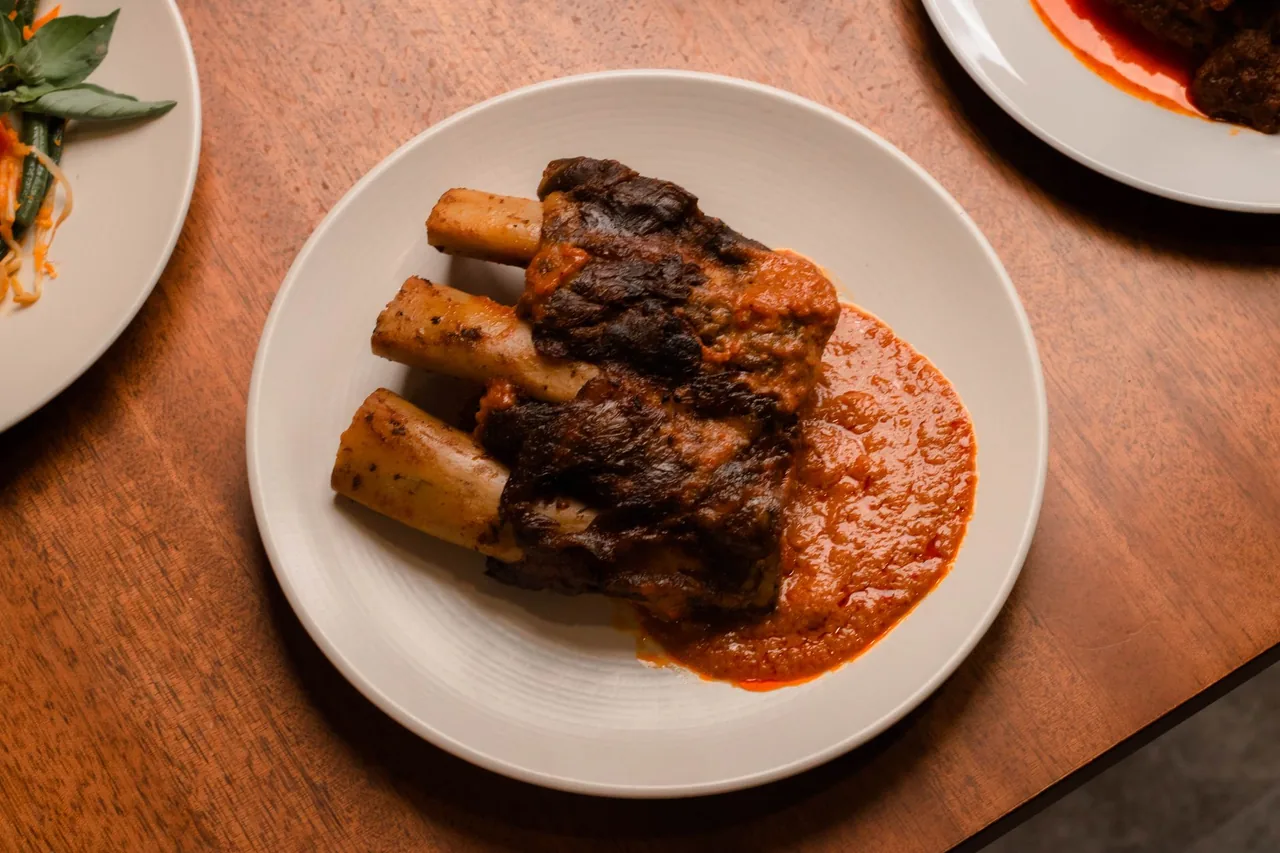
Cooking dries a bone out and makes it brittle. When a dog chews it, it breaks into hard, sharp-edged pieces instead of softening. Those pieces can:
- Get stuck in the mouth or across the roof of the mouth, wedged between teeth
- Choke a dog if a chunk lodges in the throat
- Cut or puncture the mouth, throat, stomach or intestines
- Block the stomach or intestines if a piece is too big to pass
- Cause painful constipation and rectal bleeding as sharp fragments pass through
Poultry bones are hollow and especially splintery, but rib, pork and beef bones break into sharp pieces too. Bigger isn’t safer: a large dog can crack a big cooked bone into large, sharp chunks.
What the FDA says about bones and bone treats
In a 2017 consumer update, the U.S. Food and Drug Administration warned pet owners about processed “bone treats”. Those are real bones that are smoked or baked and sold under names like “Ham Bones”, “Pork Femur Bones”, “Rib Bones” and “Smokey Knuckle Bones”. The FDA reported about 68 illness reports, involving roughly 90 dogs, and about 15 deaths. The problems reported included:
- Blockages in the digestive tract
- Choking
- Cuts and wounds in the mouth or on the tonsils
- Vomiting and diarrhea
- Bleeding from the rectum
The FDA also received reports of bone treats splintering when chewed. It warned that chicken bones and other bones from the table can injure pets too, and advised keeping platters out of reach and being careful with the trash. Dogs are famous for raiding the bin for a turkey carcass or steak bone.
Warning signs after a dog eats a cooked bone
Some signs appear right away; others take hours to days. Call your vet if you see:
- Gagging, retching, coughing or repeated swallowing
- Drooling or pawing at the mouth
- Vomiting, especially repeated or with blood
- A tight, swollen or painful belly, or a hunched posture
- Straining to poop, constipation, or no stool
- Blood in the stool or bleeding from the rectum
- Not eating, lethargy, or hiding
Keep watching for the next few days after your dog eats a bone, and keep the free Vet Visit Prep & Symptom Log handy to note what you see and when.
What to do if your dog ate a cooked bone
- Take away what’s left, calmly. Trade it for a high-value treat rather than grabbing. A dog guarding a bone can bite, and a struggle can make them swallow it faster.
- Call your vet with the type of bone, its size, roughly how much was eaten, and your dog’s weight.
- Don’t make your dog vomit. Sharp fragments can do damage coming back up.
- Follow your vet’s plan. That may be monitoring at home, an exam, or X-rays.
- Go in right away for choking, repeated vomiting, a painful belly, straining or blood.
Bone-proofing the kitchen
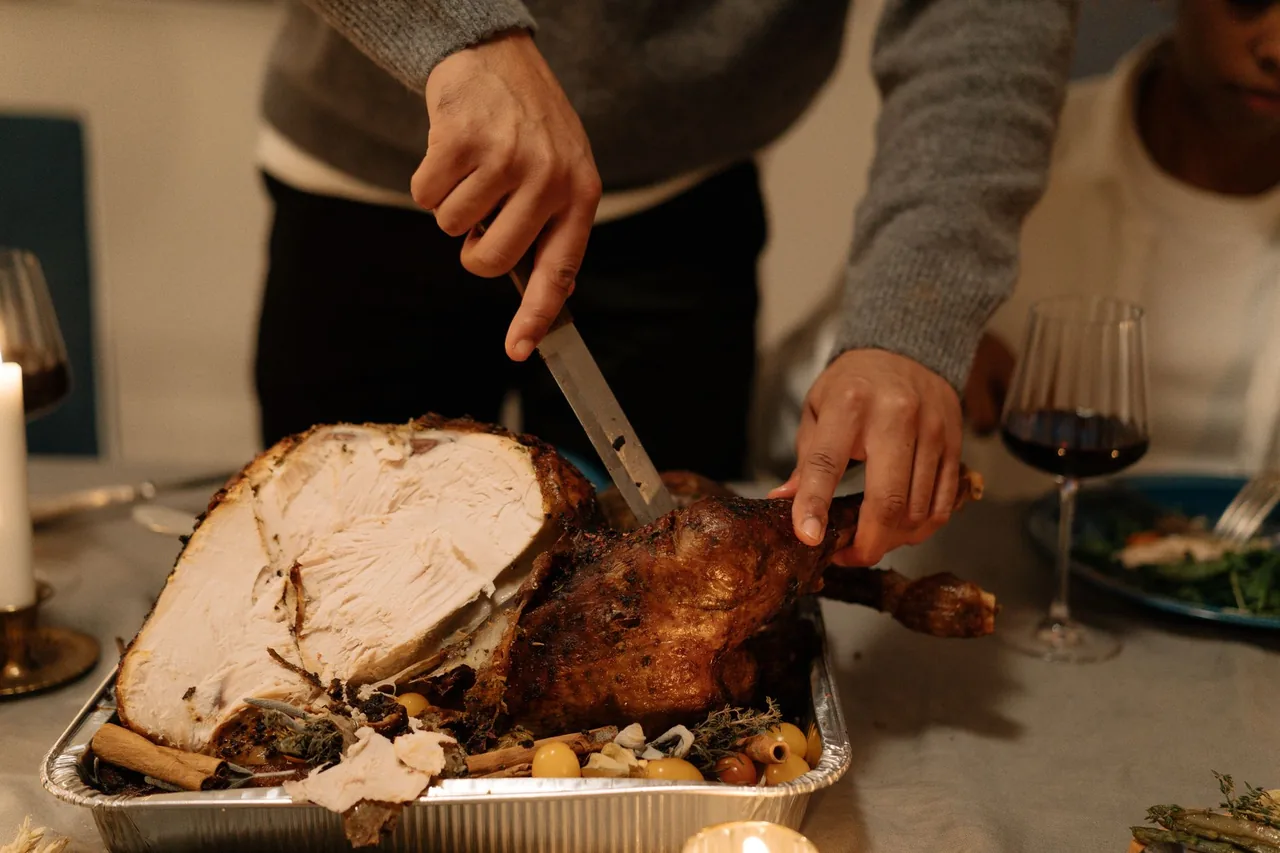
- Take bones straight from plates to a lidded bin your dog can’t tip or open, or tie them in a bag and take them outside.
- Keep platters, carving boards and takeout boxes off counter edges and coffee tables.
- Brief guests and children: no sharing bones, wings or rib ends with the dog.
- Watch barbecues and picnics, where bones end up on the grass.
Safer things to chew
Dogs need to chew, so give them something made for it. Choose chews sized so your dog can’t swallow them whole, made to be chewed rather than eaten, and always supervise. Plain boneless meat is fine as a treat: plain cooked turkey without skin, bones or seasoning, or a few carrot sticks for crunch. The free food safety chart puts the whole Safe / Caution / Never list on the fridge, cooked bones included.
Frequently asked questions
- My dog ate a cooked chicken bone. What should I do?
- Stay calm and call your vet. Many dogs pass a small chicken bone without trouble, but some don't, and you can't tell which from the outside. Don't try to make your dog vomit, because sharp fragments can cut the throat on the way back up. Your vet may want to see your dog or may ask you to watch closely for the next few days. Signs that mean go in now: gagging, drooling, pawing at the mouth, repeated vomiting, a tight or painful belly, straining to poop, blood in the stool, or a dog that stops eating or seems lethargic.
- Are raw bones safer than cooked bones?
- Raw bones are less likely to splinter than cooked ones, but they aren't risk-free. The ASPCA warns that raw bones can still injure or obstruct the digestive tract, and raw meat carries Salmonella and E. coli. The site's Toxic-Foods Checker lists raw meat and bones as Caution. If you're considering raw bones or a raw diet, talk it through with your vet first, and always supervise chewing.
- Are store-bought bone treats safe?
- The FDA has warned against processed 'bone treats'. Those are real bones that have been smoked or baked and sold as 'ham bones', 'rib bones' or 'knuckle bones'. In its 2017 consumer update it reported about 68 illness reports involving roughly 90 dogs, including 15 deaths. Reported problems included blockages, choking, cuts in the mouth, vomiting, diarrhea and rectal bleeding, plus reports of treats splintering when chewed. If you buy chews, pick ones made to be chewed rather than eaten, sized for your dog, and supervise.
- How long after eating a bone would problems show up?
- Choking and mouth injuries show up right away. Problems further down, such as a fragment stuck in the stomach or intestine or a puncture, can take hours to a few days to appear. Keep a close eye on your dog for the next few days: appetite, energy, vomiting, and whether stools come out normally and without blood. Call your vet with any change.
Educational content only — not veterinary or professional behavior advice. Consult your vet, or a certified trainer or behaviorist, for your pet. Read the full disclaimer →