Can Dogs Eat Eggs?
A cooked egg is safe, complete protein and a treat most dogs adore — the rules are 'cook it' and 'add nothing'.
On this page
Yes — dogs can eat eggs, as long as the egg is cooked and you add nothing to it. A plain scrambled or boiled egg is high-quality, complete protein, it’s cheap, and most dogs are delighted to get it. Our free Dog Toxic-Foods Checker lists plain cooked egg as Safe: “A cooked egg is safe protein and a biotin boost,” with the instruction to “cook it (scrambled or boiled) — no salt, butter or onion.” Two rules, and you’re set: cook it, and keep it plain.
The detail below covers the raw-egg question everyone asks, how much egg is reasonable, and the add-ins that quietly turn a safe egg into a bad one.
Why a cooked egg is a good treat
Egg is about as complete a protein as food gets: it carries all the essential amino acids, plus fat, vitamins A and B12, riboflavin, and selenium. For a dog, that makes a bite of cooked egg a genuinely nourishing treat and an easy, appetising way to tempt a picky eater or slip in a pill. The AKC lists cooked eggs among the foods dogs can safely eat.
Keep the value in perspective, though. Your dog’s complete food already supplies the protein and nutrients they need, so egg’s job is to be a treat dogs love, not a supplement they require. And because it’s rich, egg is a small treat rather than a daily bowl-topper unless your vet has folded it into the plan.
Cook it: the raw-egg question
The single most common egg question is whether to feed it raw, and my answer is to cook it. Raw eggs carry a Salmonella and E. coli risk that the FDA and AVMA both flag — a risk that isn’t only your dog’s, since those bacteria can spread to the people handling the bowl. There’s also a slower concern: raw egg white contains avidin, which binds the B-vitamin biotin, so a diet heavy in raw whites could contribute to a biotin shortfall over time.
An occasional raw egg is unlikely to seriously harm a healthy adult dog, but there’s simply no upside to feeding it raw when a quick scramble or boil removes both problems at no cost. If you’re committed to a raw diet for other reasons, make that a conversation with your vet rather than a default.
Add nothing: the seasoning trap
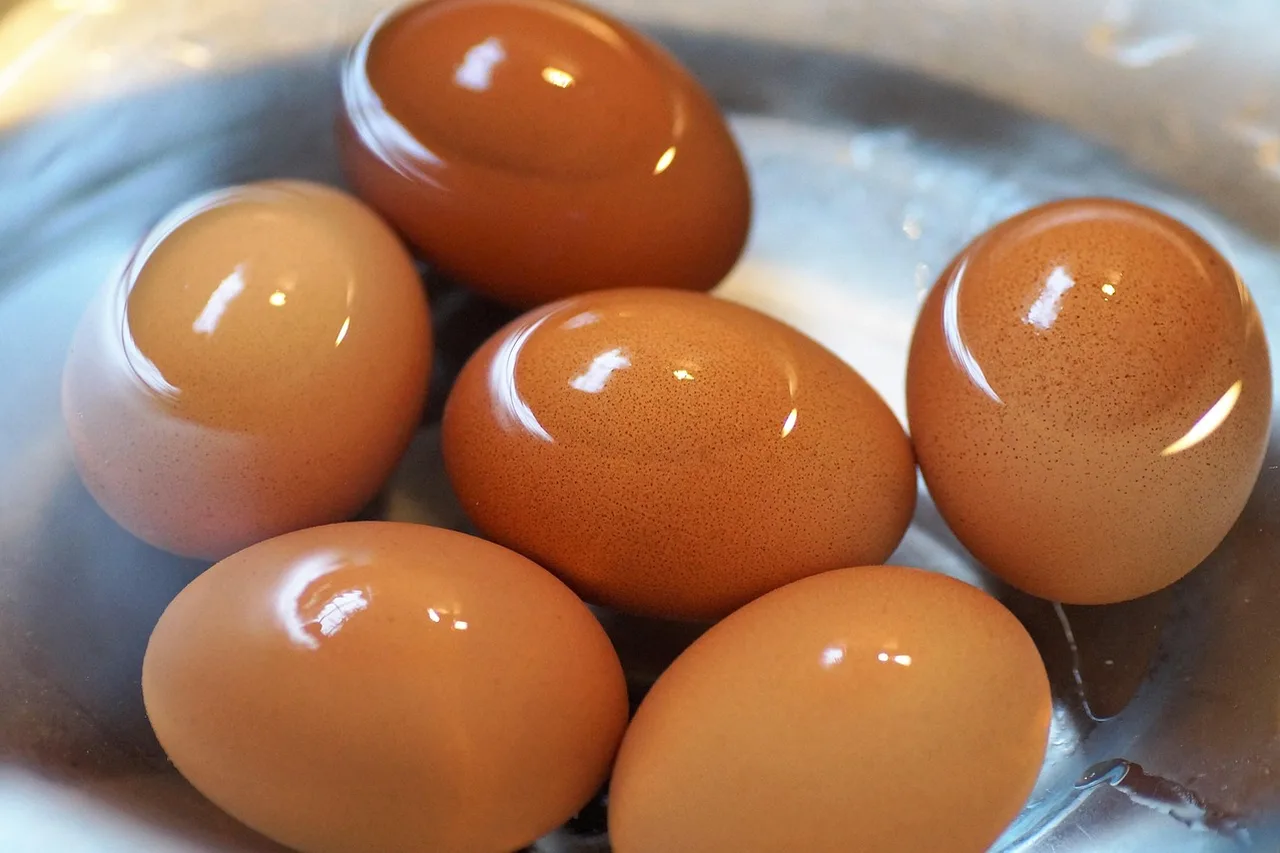
The way most people cook eggs is exactly what makes an egg unsafe for a dog. Butter and oil pile on fat that can upset a stomach or, in a prone dog, trigger pancreatitis. Salt isn’t needed. Cheese adds more fat. And onion — a staple of a good omelette — is toxic to dogs, along with garlic and chives; even the powder in a seasoning blend counts (our guide on onions and garlic explains why). So the rule for a dog’s egg is the opposite of the rule for yours: cook it in a dry or barely-greased pan, and add nothing at all.
Scrambled and hard-boiled are the two easy formats. Cool it before serving so an eager dog doesn’t burn their mouth, and cut a boiled egg into pieces sized to your dog.
How much egg, and how often
Egg is calorie-dense — a large egg is around 70 calories — so it fits the 10% treat rule the same way any rich food does: a bite or two of cooked egg for a small dog, up to about half an egg for a large one, and not automatically every day. If you’d like egg to become a regular part of the diet rather than an occasional treat, loop in your vet so the overall diet stays balanced. Our free Dog Feeding Calculator gives you the daily calorie figure that turns “10%” into a real number.
When to ask your vet first
Skip or check with your vet if your dog has had pancreatitis, is prone to it, or is overweight, since egg’s fat and calories work against those situations. Dogs on a prescription or restricted diet shouldn’t get new foods added without the vet’s sign-off, and dogs with a known egg sensitivity obviously give it a miss. If your dog got into something eggy that also contained onion, garlic, or a lot of fat and seasoning, our Dog Toxic-Foods Checker lists the relevant verdicts and the ASPCA and Pet Poison Helpline numbers, which are staffed around the clock.
A rich little treat, used well
Handled right, egg is one of the more useful treats going: cooked plain, cooled, and portioned small, it’s a high-value reward, a pill disguise, and a tempter for a dog who’s turning their nose up at dinner. Keep it occasional, keep it plain, keep the total inside the 10% the feeding calculator gives you, and run anything new past the checker first.
Frequently asked questions
- Can dogs eat raw eggs?
- I'd cook them. Raw eggs carry a risk of Salmonella and E. coli — a hazard the FDA and AVMA both flag, and one that can reach the people in your home, not just the dog. There's a second, slower issue: raw egg white contains avidin, which binds biotin (a B vitamin), so a diet heavy in raw whites could, over time, contribute to a biotin shortfall. An occasional raw egg is unlikely to harm a healthy adult dog, but there's no real upside to feeding it raw, and cooking removes both concerns for free. If you're set on raw feeding, talk it through with your vet first.
- How much egg can I give my dog?
- Treat egg as the rich, calorie-dense food it is and keep it inside the 10% treat rule — treats of all kinds within about 10% of daily calories. A whole large egg is roughly 70 calories, which is a lot for a small dog, so portion accordingly: a bite or two of cooked egg for a small dog, up to about half an egg for a large one, and not every day by default. If you want egg to be a regular food topper rather than an occasional treat, that's a conversation for your vet, who can make sure the rest of the diet still balances out.
- Can dogs eat eggshells?
- Some owners grind eggshell as a calcium supplement, and it isn't toxic, but I'd be cautious. A commercial complete dog food is already balanced for calcium, and adding more without a plan can throw that balance off — too much calcium causes its own problems, especially in growing large-breed puppies. Sharp shell fragments can also irritate the mouth or gut. If you're considering eggshell for a home-cooked diet, do it under veterinary guidance so the whole diet is balanced, rather than sprinkling shell on kibble on a hunch.
- Are scrambled eggs okay for dogs, and what about an upset stomach?
- Plain scrambled egg — cooked in a dry or lightly greased pan with nothing added — is fine and easy to eat, which makes it a handy way to tempt a dog who's off their food or to hide a pill. The trap is the add-ins: butter, oil, salt, cheese, and above all onion make a safe egg unsafe, and onion and garlic are toxic to dogs. For a genuinely upset stomach, vets more often suggest plain rice with a little plain chicken; a plain egg can be part of a bland approach but isn't the standard fix. If your dog is vomiting or not eating, call your vet rather than home-cooking your way through it.
Educational content only — not veterinary or professional behavior advice. Consult your vet, or a certified trainer or behaviorist, for your pet. Read the full disclaimer →