Can Dogs Eat Cranberry Sauce?
Plain cranberries aren't toxic to dogs. The sauce is another matter: a lot of sugar, sometimes raisins or liquor, and in sugar-free versions, xylitol.
On this page
The berries are fine. The sauce is where you have to read the fine print. Pet Poison Helpline describes cranberries as pet safe, raw or processed, which surprises a lot of people, and the Dog Toxic-Foods Checker lists plain cranberries as safe. Cranberry sauce gets its own caution entry, because of what cooks add to tame the tartness: plenty of sugar, and in some kitchens raisins, currants, liquor or a sugar-free sweetener that’s toxic to dogs.
So the answer depends on the bowl. A few plain berries, fine. A lick of plain sauce, unlikely to matter. A sauce made with raisins or xylitol, call your vet.
Cranberries themselves
Fresh cranberries, or ones cooked without sugar, aren’t toxic to dogs. The AKC notes they’re safe in small quantities, though whether a dog wants something that tart is another question, and too many can upset the stomach. There’s no reason to push them. If your dog likes them, a few plain berries now and then is plenty; the checker’s portion is a couple for a small dog and a few for a large one.
What goes into the sauce
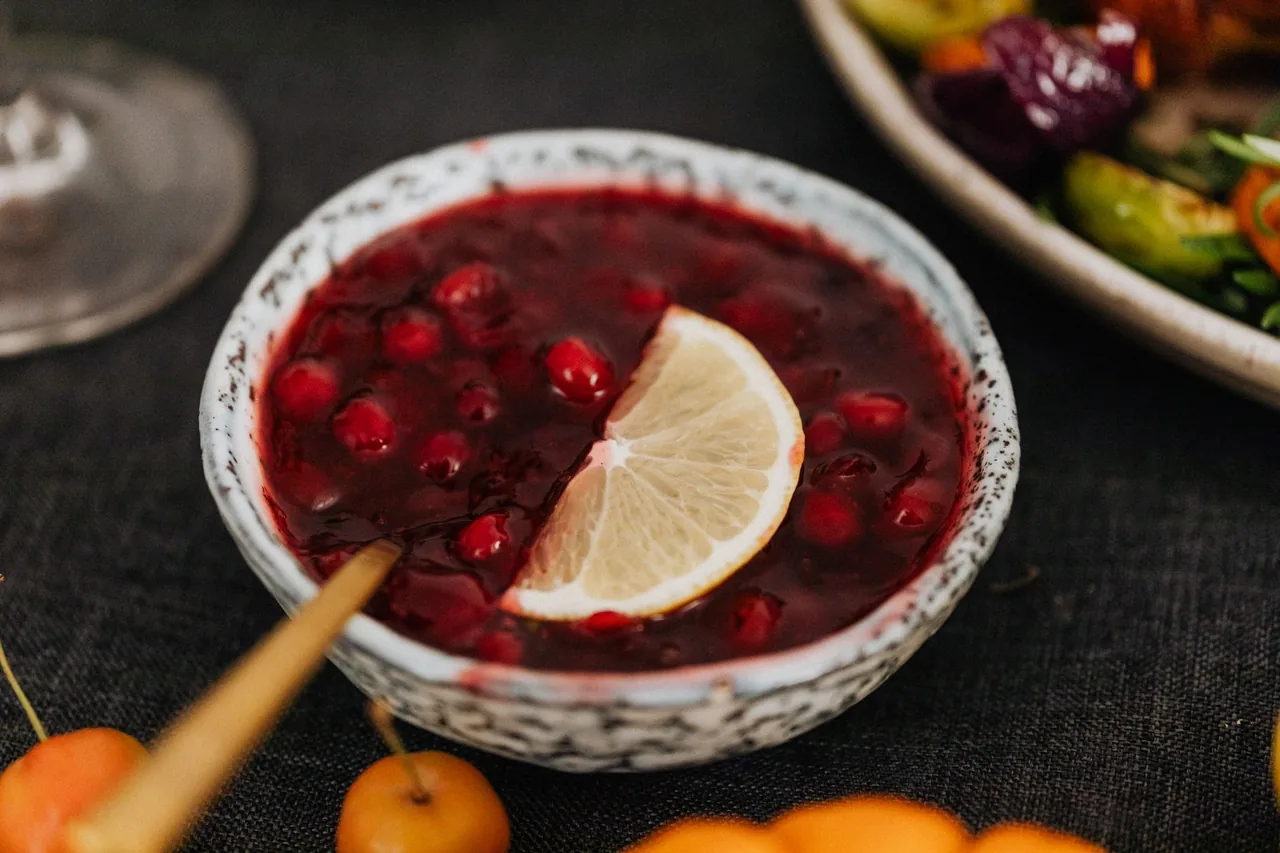
- Sugar. Cranberry sauce is sweetened heavily to offset the tartness, and the AKC notes that the sugar in cranberry sauce can cause gastrointestinal upset.
- Citrus. Orange zest or juice is a minor issue in these amounts; ASPCA Animal Poison Control says small citrus ingestions rarely cause more than mild stomach upset.
- Raisins or currants. Some recipes stir them in, and they turn a caution food into a toxic one.
- Liquor. Brandy, port or orange liqueur show up in some recipes, and alcohol is toxic to dogs.
- Xylitol. “Sugar-free” or “no sugar added” sauces and jellies may be sweetened with it.
The add-in that changes everything
Dogs are particularly sensitive to raisins, currants, grapes and sultanas, which Pet Poison Helpline notes are popular additions to Thanksgiving dishes. The amount needed to cause poisoning is unknown, which is why their advice is to take any ingestion seriously. ASPCA Animal Poison Control explains that tartaric acid is the suspected cause, and that dogs can’t process it, which can lead to kidney damage. If the sauce your dog ate had raisins or currants in it, call your vet or a poison line now rather than waiting for vomiting; my grapes and raisins guide explains why speed matters so much.
Xylitol in sugar-free sauce
Xylitol used to turn up mostly in gum and mints. Pet Poison Helpline warns that it’s now common in sugar-free and low-sugar foods, and that even amounts that look very small can quickly become life-threatening to dogs. It causes a rapid drop in blood sugar, with signs that can begin within 10 to 60 minutes, and ASPCA Animal Poison Control notes liver damage can follow within 12 to 24 hours. Sugar-free jellied sauces and jams are the ones to check; the label may also call it birch sugar. The xylitol guide has the full list of signs.
Dried cranberries and juice
The dried kind are sweetened, and the AKC warns they sometimes come mixed with other dried fruit, including raisins. Cranberry juice has the same sugar problem, and the AKC flags grape and cranberry juice blends as a risk, since grape products are on the toxic list too. Pet Poison Helpline’s rule covers all of these: check the label for xylitol and grape-derived ingredients before anything cranberry reaches your dog.
If your dog ate cranberry sauce
- A lick or a spoonful of plain sauce: usually nothing. Watch for a soft stool or an upset stomach.
- A bowlful: expect some digestive upset; call your vet if vomiting or diarrhea keeps going, or sooner for a small dog.
- Sauce with raisins, currants, liquor or xylitol: call your vet, ASPCA Animal Poison Control at (888) 426-4435 or Pet Poison Helpline at (855) 764-7661 right away. A fee may apply.
The AVMA’s list of reasons to call your vet immediately after a suspected poisoning is short and worth remembering: sudden behavior changes, depression, discomfort or pain, vomiting, or diarrhea.
A better cranberry moment
The easy way to give your dog a bit of the holiday is small and plain: a couple of fresh berries, or a spoonful of plain canned pumpkin, which the pumpkin pie guide covers. The Thanksgiving foods guide sorts the rest of the plate, and plain turkey is the easiest main course to share. For anything else that ends up on the floor, the checker has an answer in seconds.
Frequently asked questions
- Can dogs eat canned cranberry sauce?
- A lick of canned cranberry sauce, jellied or whole-berry, is unlikely to hurt a healthy dog, but it isn't a treat worth offering. Pet Poison Helpline notes that sugar or other sweeteners are usually added to cranberry products to offset the tartness, and the AKC points out that the sugar in cranberry sauce can cause stomach upset. Check the label before anything reaches your dog: Pet Poison Helpline specifically warns to look for xylitol and for grape-derived ingredients. If either appears on the can your dog got into, call your vet or a poison line.
- Can dogs eat dried cranberries?
- According to the AKC, a small amount of plain dried cranberries is generally fine, but read the bag carefully. Most are sweetened with added sugar, and they're often sold in blends and trail mixes alongside raisins, which can cause sudden kidney injury in dogs. Pet Poison Helpline says there's no known safe amount of raisins, so a handful of a cranberry-raisin mix is a reason to call your vet right away. Chocolate-covered cranberries bring a second problem, since chocolate is toxic to dogs.
- Is cranberry good for a dog's urinary tract?
- Maybe, but the evidence is thin. The AKC notes that while many people believe cranberry can help prevent urinary tract infections in dogs, there haven't been enough studies in dogs to confirm it, and that cranberry should be treated as a supplement, never a replacement for proven medical treatment. A veterinarian quoted by the AKC also warns that large amounts of cranberries could contribute to calcium oxalate bladder stones. If your dog has urinary symptoms, see your vet; don't treat it with cranberry sauce, which is mostly sugar anyway.
- What if the cranberry sauce had orange or liquor in it?
- Orange zest or juice is a minor concern; ASPCA Animal Poison Control notes that small amounts of citrus are unlikely to cause more than a mild stomach upset. Liquor is different. Recipes made with brandy, port or orange liqueur bring alcohol into the dish, and the ASPCA explains that alcohol is absorbed quickly and can cause vomiting, diarrhea, incoordination, breathing trouble, tremors and worse. If your dog ate a boozy sauce or relish, call your vet or a poison line promptly.
Educational content only — not veterinary or professional behavior advice. Consult your vet, or a certified trainer or behaviorist, for your pet. Read the full disclaimer →