How Much Do Puppies Sleep?
Ask two trusted sources and you get two different numbers. Here's what each one says, what's known about night sleep, and the signs that make your puppy's sleep worth a call to the vet.
On this page
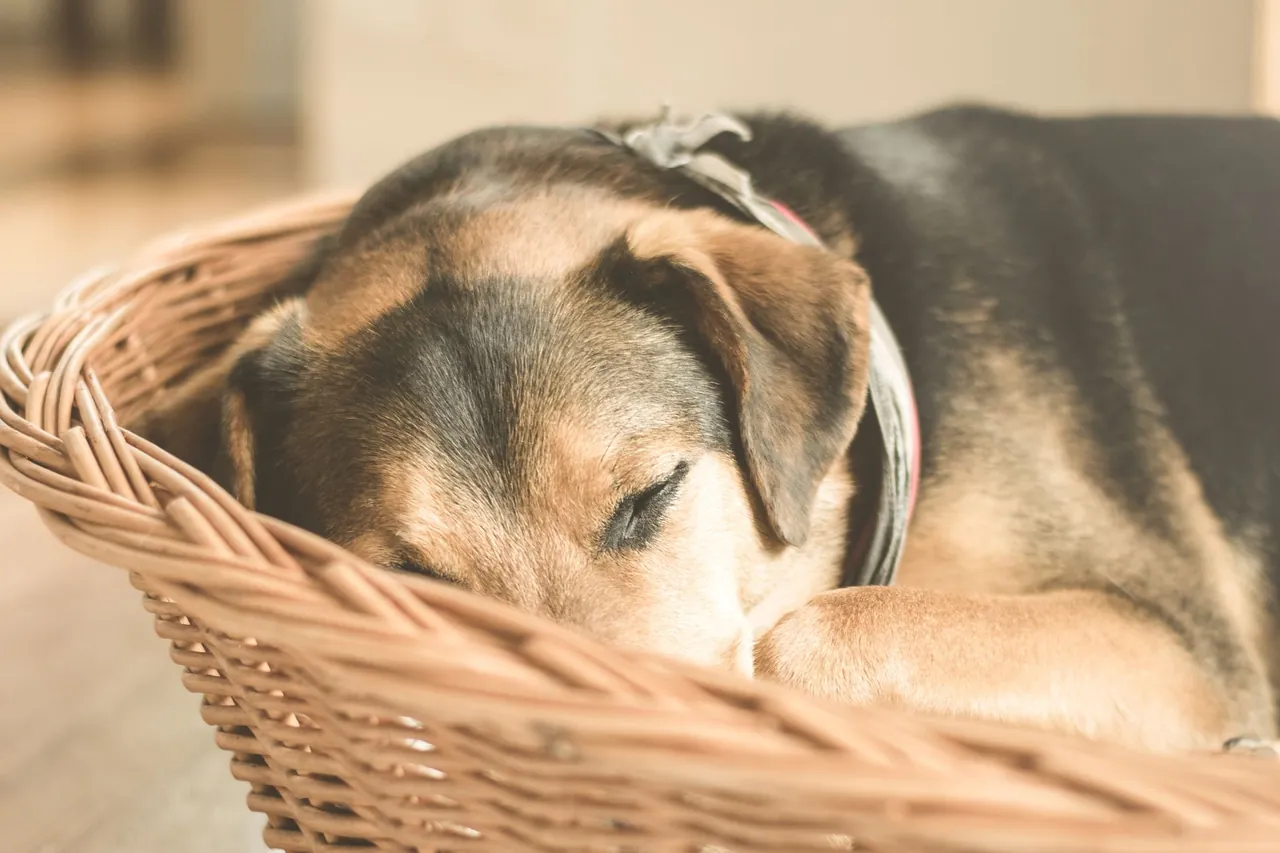
Puppies sleep a lot, but the sources give different numbers: the AKC says puppies usually sleep 18 to 20 hours a day, while VCA says a puppy might sleep 10 or 14 hours a day, and that this variation is normal. Between them, that’s anywhere from about 10 to 20 hours, so don’t worry if your puppy doesn’t match one exact figure.
What each source says
- AKC: puppies usually sleep 18 to 20 hours a day.
- VCA Animal Hospitals: a puppy might sleep 10 or 14 hours a day, and that range is normal. At 2 months, VCA says, bursts of activity take up about 4 to 6 hours of the day.
- Research: a 2020 study by Kinsman and colleagues, part of the Dogs Trust Generation Pup project, asked owners about their dogs’ sleep. Owners of 16-week-old puppies reported longer daytime and 24-hour sleep, but shorter night sleep, than owners of 12-month-olds. These were owners’ reports, not measurements.
No single number fits every puppy, but the sources agree on the big picture: young puppies sleep for much of the day.
Why sleep matters
The AKC says sleep supports the development of a puppy’s central nervous system. VCA adds that most dogs, even adults, sleep at least half of a 24-hour day, so a sleepy puppy is in good company. A quiet, comfortable spot for daytime naps helps, and the free puppy crate training schedule includes a daily log for crate time.
Nights: shorter at first
In the Dogs Trust study, owners of 16-week-old puppies reported shorter night sleep than owners of year-old dogs, so broken nights early on are expected. Young puppies also can’t hold their bladder through a long night: the AKC’s maximum is the age in months plus one, in hours (how long a puppy can hold its pee). Two habits from the house-training sources help: take your puppy out last thing before bed (AKC, Humane World for Animals), and pick up the water about two and a half hours before bedtime (Humane World). The free first-week checklist includes a potty rhythm that covers bedtime and overnight. For crying at bedtime, see my puppy won’t sleep at night and why dogs whine in the crate.
When sleep is a reason to call the vet
VCA says excessive tiredness or lethargy can signal a medical condition, and that flat-faced breeds are at risk of sleep apnea. Call your vet if your puppy seems lethargic or unusually tired when awake, or if a flat-faced puppy seems to struggle to breathe while sleeping. Before you call, note when your puppy sleeps, for how long, and how it acts when awake; the free vet visit prep sheet gives you a place to write it down. For breathing questions, fast breathing while sleeping explains what to watch at rest.
Frequently asked questions
- Is it normal for my puppy to sleep all day?
- A lot of sleep is normal. The AKC says puppies usually sleep 18 to 20 hours a day, and VCA says a puppy might sleep 10 or 14 hours and that this variation is normal. What VCA flags is excessive tiredness or lethargy, which can signal a medical condition.
- How long should a puppy sleep at night?
- The sources don't give a night-time number. A 2020 Dogs Trust study found that owners of 16-week-old puppies reported shorter night sleep than owners of 12-month-olds, so broken nights early on are common. Young puppies also need a night-time potty trip: by the AKC's months-plus-one rule, a 3-month-old can hold it 4 hours at most.
- How much do adult dogs sleep?
- VCA says most dogs, even adults, sleep at least half of a 24-hour day. A sudden change in your adult dog's sleep is worth mentioning to your vet.
- When should I worry about my puppy's sleep?
- VCA says excessive tiredness or lethargy can signal a medical condition, and that flat-faced breeds are at risk of sleep apnea. If your puppy seems lethargic when awake, or a flat-faced puppy seems to struggle to breathe while asleep, call your vet.
Educational content only — not veterinary or professional behavior advice. Consult your vet, or a certified trainer or behaviorist, for your pet. Read the full disclaimer →