Why Does My Dog Whine in the Crate?
Crate whining usually means the training moved too fast, your puppy needs to go out, or your dog wants company. The major sources even disagree about the middle of the night, so here's how to tell what your dog needs.
On this page
Most crate whining means one of three things: the training moved too fast, your dog needs to go out, or your dog wants attention. Both the AKC and Humane World for Animals say whining usually means you progressed too quickly and should go back a step. Now and then it’s distress or pain, and those need a different response.
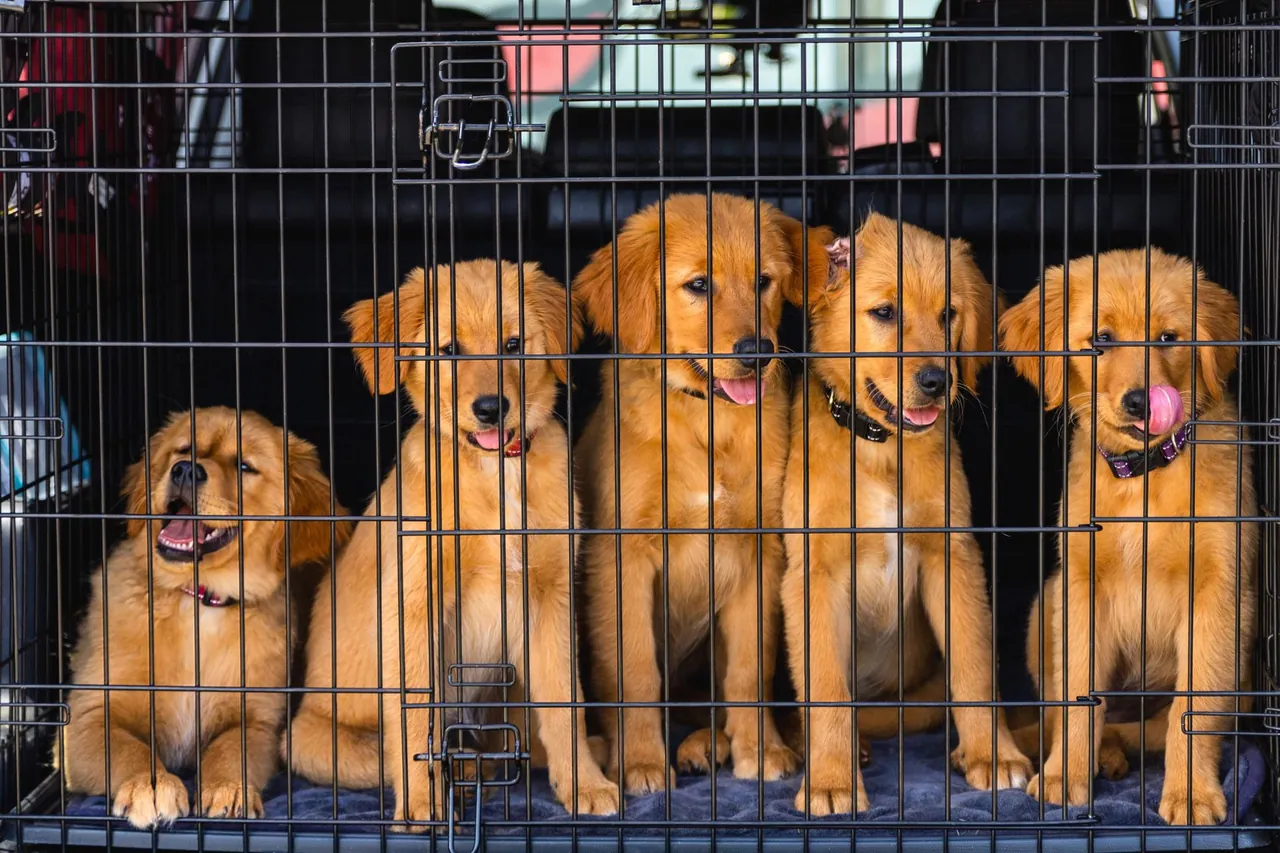
The usual reasons
- Too much, too fast. Whining is the sign to go back a step in crate training (AKC, Humane World).
- A bathroom need. At night, Humane World notes, it can be hard to tell whether your dog wants out of the crate or needs to eliminate. Ohio State’s Indoor Pet Initiative says never to confine a puppy longer than it can realistically hold it (how long a puppy can hold its pee).
- Attention. The ASPCA says some dogs whine for attention, and that eye contact, touching, talking and even scolding all count as attention.
- Pain. Dogs often whine because they hurt, the ASPCA notes.
- Distress. A dog that panics in the crate may have separation anxiety (see below).
The night-time question: the sources disagree
- AKC: an overnight puppy that whines or fusses most likely needs the bathroom, so let it out.
- Humane World for Animals: if your dog has never been let out for whining, ignore it at first; a dog that is testing usually stops soon. If it goes on for several minutes, say the phrase you use for going outside, and take your dog out if it perks up. If you’re sure it doesn’t need to go, ignore the whining until it stops.
- Ohio State: try not to respond, and wait until the puppy is quiet before letting it out.
One way to use all three: with a young puppy, count the hours since the last trip outside. Near its limit, assume the AKC is right and go. If not, the “go outside” phrase test helps you tell a potty need from protest. More on nights: my puppy won’t sleep at night.
What helps
- Wait for a few seconds of quiet, reward your dog inside the crate, then open the door (AKC).
- Reward quiet behavior whenever you see it (ASPCA).
- Go back a step to the last stage your dog handled calmly. The free puppy crate training schedule lays out a six-step crate introduction.
- Watch for stress signs such as panting, yawning and drooling (Ohio State).
What not to do
- Never punish whining (Humane World; Ohio State).
- Never use the crate as punishment (AKC; Ohio State).
- Don’t open the door mid-whine. The AKC says a dog let out while crying learns that crying is the ticket out.
When it’s distress or a vet question
- Panic or nonstop crying. The AKC says this may be separation anxiety: stop crate training and get help from a professional trainer or behavior consultant.
- The ASPCA’s distress signs: heavy panting, excessive drooling, frantic escape attempts, and persistent howling or barking. If you see them, a crate isn’t the best option.
- A crate won’t fix separation anxiety, Humane World says, and a dog may get hurt trying to escape. Counterconditioning and desensitization, with a behavior specialist, are what resolve it (separation anxiety guide).
- Frequent or sudden new whining: the ASPCA advises a vet visit to rule out medical causes.
Frequently asked questions
- Should I ignore my puppy crying in the crate at night?
- The sources disagree. The AKC says to let an overnight puppy out when it whines, because it most likely needs the bathroom. Humane World for Animals suggests ignoring it at first, then saying your 'go outside' phrase after several minutes and taking the puppy out if it perks up. Ohio State's Indoor Pet Initiative says to wait for quiet. With a young puppy, check how long it has been since the last potty trip before you decide.
- Will letting my dog out teach it to whine more?
- It can, if the whining is about getting out rather than a potty need. The AKC says a dog released while crying learns that crying is the ticket out, so wait for a few seconds of quiet, reward inside the crate, and then open the door. A genuine bathroom need is different: take your puppy out.
- Is crate whining a sign of separation anxiety?
- Sometimes. The ASPCA lists heavy panting, excessive drooling, frantic attempts to escape and persistent howling or barking as signs of distress in a crate, and says confinement isn't the best option for those dogs. Humane World adds that a crate won't fix separation anxiety and that a dog may hurt itself trying to get out. If that sounds like your dog, the AKC says to stop crate training and work with a professional.
- Can I use the crate for time-outs?
- No. The AKC and Ohio State both say never to use the crate as punishment, and Humane World and Ohio State add that whining should never be punished either. The crate works best when it stays a calm, safe place.
Educational content only — not veterinary or professional behavior advice. Consult your vet, or a certified trainer or behaviorist, for your pet. Read the full disclaimer →