How to Potty Train a Puppy: A Schedule That Works
Potty training is mostly timing: getting your puppy out before it needs to go, and rewarding it the moment it does. The schedule by age, the trigger moments, and what to do after an accident.
On this page
To potty train a puppy, take it out before it needs to go: first thing in the morning, the moment it wakes, soon after it eats or drinks, during and after play, last thing at night, and at least every two hours in between. Reward it the moment it finishes outside, and never punish an accident. That approach, from the AKC and Humane World for Animals, typically takes four to six months.
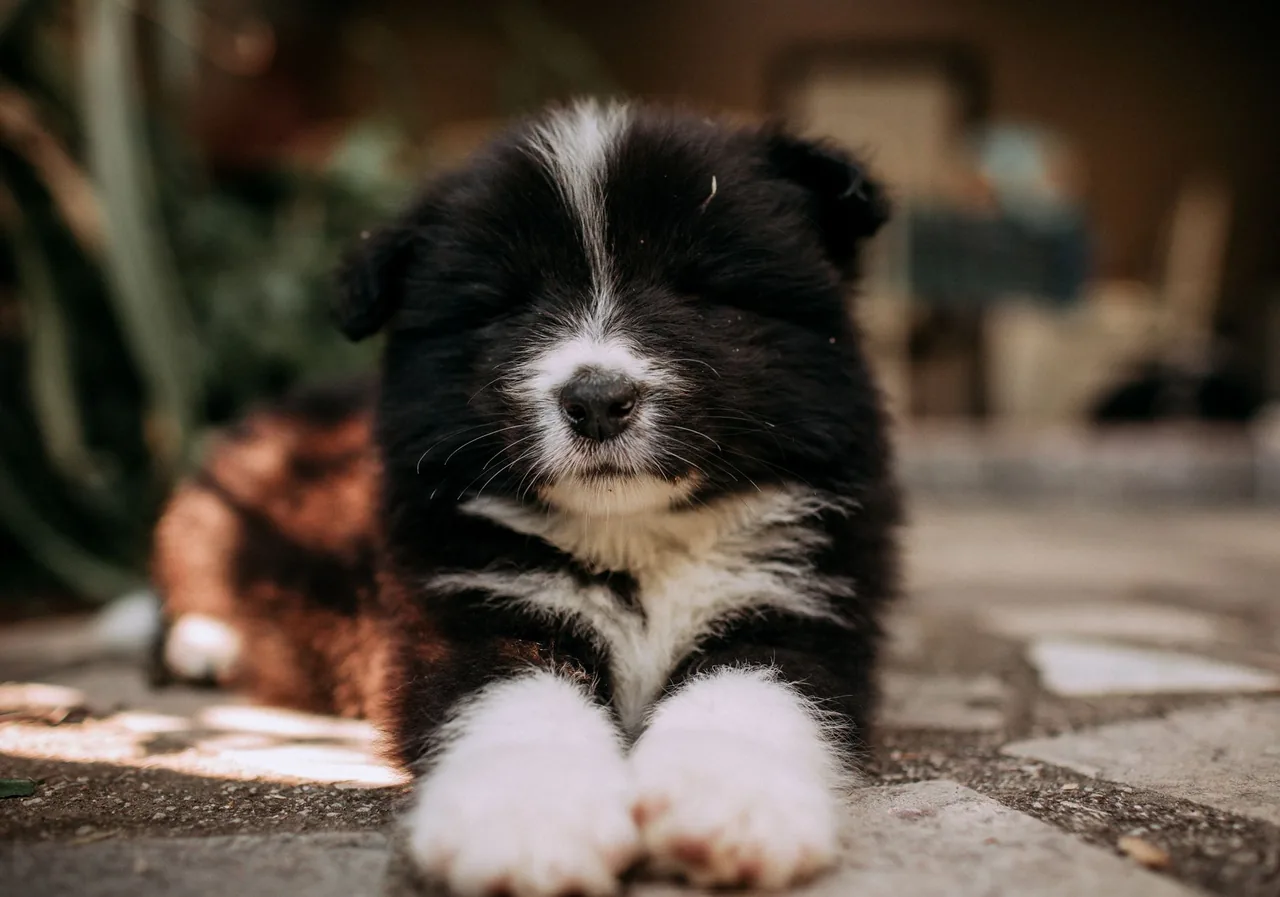
How long a puppy can hold it
Humane World for Animals says a puppy may be able to hold its bladder for about one hour for every month of age. The AKC’s rule is a little more generous and works as a ceiling: age in months plus one is the most you should ask. So a two-month-old can go about two hours (three at most), a three-month-old about three (four at most), and a four-month-old about four (five at most). Many puppies need breaks more often than that, and it is always better to go out early than late.
The free puppy potty schedule by age lays these limits out from two to six months, with a day plan to fill in.
When to take your puppy out
The AKC and Humane World for Animals list the same trigger moments:
- First thing in the morning, straight from the crate or bed.
- The moment your puppy wakes from any nap.
- 5–30 minutes after a meal (AKC), and soon after a drink.
- During and after play, when the excitement gets things moving.
- Last thing before bed.
- At least every two hours while your puppy is awake (Humane World for Animals).
Take your puppy to the same spot each time, on a leash, so it learns where the bathroom is.
Reward the right moment
Humane World for Animals advises waiting until your puppy is completely finished, then rewarding it immediately with praise or a treat. The reward has to come right then, outside, not when you are back indoors; that is how your puppy connects the place with the payoff.
Feeding and nights
A consistent feeding schedule makes house-training much easier, Humane World for Animals notes. For nights, Humane World suggests removing the water bowl about two and a half hours before bedtime and keeping water available the rest of the day. Young puppies may need trips out overnight, VCA notes; keep them quiet, boring and straight back to bed.
Using a crate
Most puppies avoid soiling the place where they sleep, which is why a crate of the right size can help. Too big a crate lets a puppy sleep at one end and use the other as a toilet; the crate size calculator shows the right size and where to set a divider. VCA notes that a two-month-old has up to about three hours of bladder control during the day, a three-month-old up to four, and a four-month-old up to five, and that a puppy should never be crated longer than it can hold it.
When accidents happen
They will. When you catch your puppy in the act, calmly take it to its potty spot, and praise it if it finishes there. Never punish an accident, whether you catch it or find it later (Humane World for Animals, AKC). Clean the spot thoroughly so the smell doesn’t draw your puppy back, and take it out a little sooner next time. The free potty training chart and log helps you spot the pattern behind repeated accidents.
How long it takes
Humane World for Animals says house-training typically takes four to six months. The AKC notes that when training starts early, a six-month-old puppy can usually be depended on most of the time. If accidents suddenly increase in a puppy who was doing well, or your puppy strains, pees very often or seems uncomfortable, talk to your vet.
Frequently asked questions
- How long does it take to potty train a puppy?
- House-training typically takes four to six months, according to Humane World for Animals. The AKC notes that when training starts early, a six-month-old puppy can usually be depended on most of the time.
- How long can a puppy hold its pee?
- About one hour for every month of age, according to Humane World for Animals; the AKC’s rule of months plus one sets the maximum. So a three-month-old can comfortably hold it about three hours, four at most. Many puppies need breaks more often.
- How soon after eating does a puppy need to go out?
- Soon. The AKC suggests waiting only 5 to 30 minutes after a meal, and treating a drink of water the same way.
- What should I do when my puppy has an accident?
- Calmly take your puppy to its potty spot and praise it if it finishes there. Never punish an accident, and clean the spot thoroughly so the smell doesn’t draw your puppy back (Humane World for Animals). Then take your puppy out a little sooner next time.
- Should I use a crate for potty training?
- A crate can help, because most puppies avoid soiling where they sleep, but it must be the right size. VCA notes a two-month-old has up to about three hours of bladder control, and a puppy should never be crated longer than it can hold it. The crate size calculator shows how big the space should be.
Educational content only — not veterinary or professional behavior advice. Consult your vet, or a certified trainer or behaviorist, for your pet. Read the full disclaimer →