Can Dogs Eat Bread?
A bite of plain baked bread is usually harmless filler — but raw dough is an emergency, and what's baked into a loaf can make it dangerous.
On this page
Mostly — a small piece of plain, fully baked bread won’t hurt most dogs, but that’s about the best you can say for it. Bread is empty filler for a dog: no real nutritional benefit, easy to overfeed, and carrying two genuine dangers depending on the form. Our free Dog Toxic-Foods Checker files bread under Caution: “Plain baked bread is empty filler and adds up in calories — and watch for raisins or xylitol baked in. Raw dough is toxic.” That captures it: plain baked bread is harmless-ish, raw dough is an emergency, and the add-ins are where safe bread turns dangerous.
Below is the difference between a harmless crust and a real problem — the raw-dough danger, the ingredients to watch, and why bread is a poor treat even when it’s safe.
Plain baked bread: harmless, but pointless
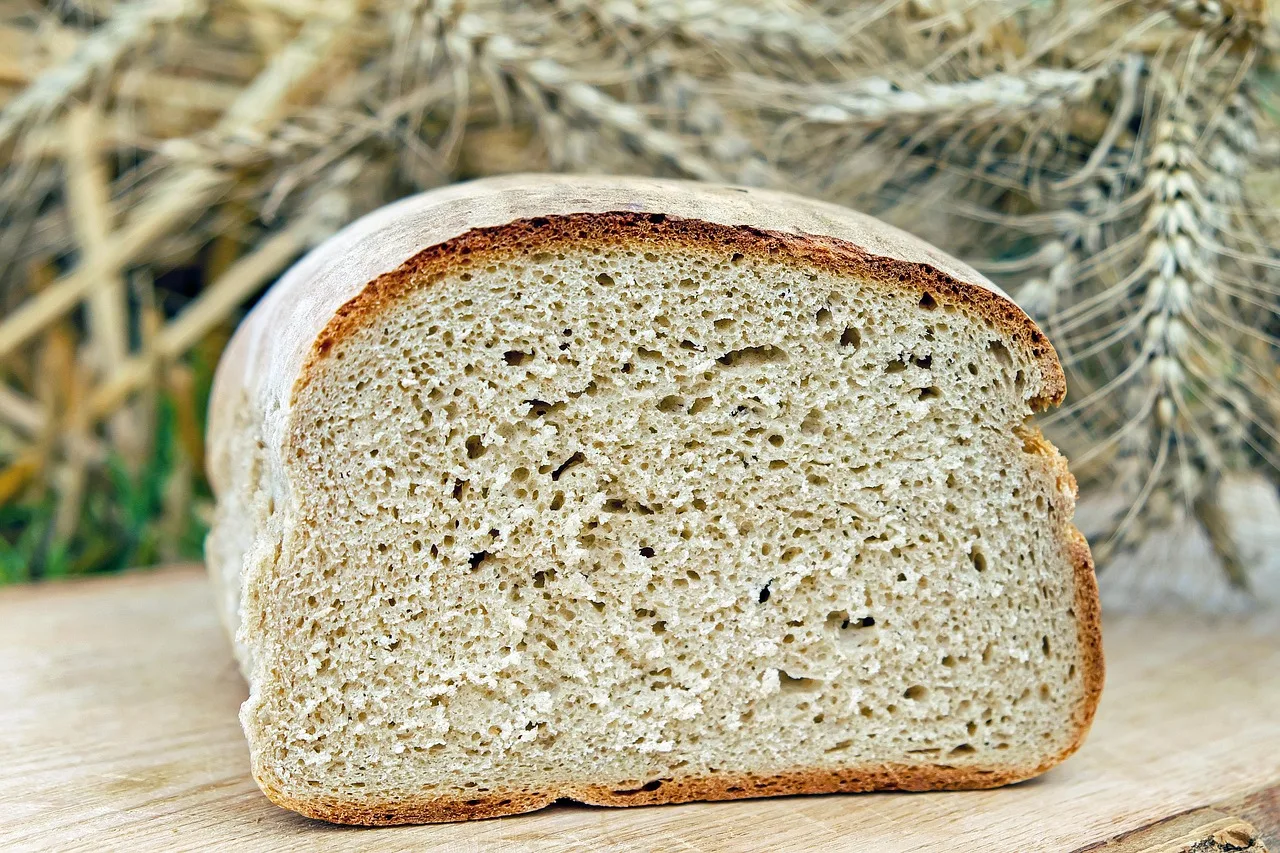
A bite of plain white or wheat bread — just flour, water, yeast, and salt, fully baked — is unlikely to do a healthy dog any harm. Dogs digest it fine in small amounts. But be honest about what it is: bread gives a dog calories and very little else, so it’s not a treat that does any good. It’s the definition of empty filler, which is why the sensible answer to “can my dog have bread” is “a little won’t hurt, but why bother, when a few blueberries or carrot pieces do more for the same calories?”
The real danger: raw dough
Raw yeast dough is a completely different animal, and it’s on the toxic list. Swallowed, it keeps rising in the warm, moist stomach — which can cause a painful, dangerous bloat and even a stomach twist — while the yeast ferments the dough’s sugars into alcohol, giving the dog alcohol poisoning at the same time. Signs include a distended belly, unproductive retching, drooling, stumbling, and weakness. This is an immediate vet call, not a wait-and-see, and Pet Poison Helpline treats it as an emergency. If you bake, keep proofing dough well out of reach — a warm counter with rising dough is a classic accident.
What’s baked in: the ingredients that turn bread dangerous
Most bread emergencies aren’t the plain loaf — they’re what’s inside it. Raisin bread and anything with raisins or currants is toxic, because grapes and raisins can cause kidney failure in dogs. Onion or garlic breads are toxic too (see our onions and garlic guide). Nut breads may hide macadamias, which are toxic, or simply pile on fat. Seeded and sweet breads add choking, sugar, or digestive concerns. And any “sugar-free,” “keto,” or diet bread could be sweetened with xylitol, which is severely toxic to dogs even in tiny amounts.
The rule: the moment a bread is more than plain flour, water, yeast, and salt, read the ingredients before you share it.
How much bread, and when to skip it
If you’re going to share plain baked bread, keep it to a small piece and make it occasional — it slots inside the 10% treat budget but earns its place poorly. A crust to finish now and then is fine for most healthy dogs; a habit of bread scraps just adds calories and nudges a dog toward extra weight. Dogs with a diagnosed wheat or grain allergy should skip bread entirely, and dogs on a weight plan are far better served by a low-calorie treat. Our free Dog Feeding Calculator gives you the daily calorie number that keeps treats honest.
When to call your vet
Call right away if your dog eats raw dough, or a bread containing raisins, onion, garlic, macadamias, or xylitol — those are the genuine emergencies, and they’re the reason bread sits under Caution rather than Safe. Plain baked bread rarely needs a call unless your dog ate a large amount and seems unwell. For anything you’re unsure about, our Dog Toxic-Foods Checker lists verified verdicts alongside the ASPCA Animal Poison Control and Pet Poison Helpline numbers.
The bottom line on bread
Plain baked bread is a harmless once-in-a-while nibble with no real upside; raw dough and the wrong add-ins are the parts that put bread on the caution list at all. If you want to treat your dog, spend those calories on something that does them good, keep the total inside the 10% the feeding calculator gives you, and run any baked good past the checker before it reaches the floor.
Frequently asked questions
- Is raw bread dough dangerous for dogs?
- Yes — raw yeast dough is one of the more serious kitchen dangers, and it's on the toxic list for good reason. In the warm, moist stomach the dough keeps rising, which can cause a painful, dangerous bloat and even a twisted stomach; at the same time the yeast ferments the dough's sugars into alcohol, so the dog effectively gets alcohol poisoning on top. Signs include a swollen belly, retching, drooling, wobbliness, and weakness. This is a call-the-vet-now situation, not a wait-and-see one — keep proofing dough well out of counter-surfing reach, and phone your vet or a poison line immediately if your dog eats any.
- Can dogs eat bread if they have an upset stomach?
- Bread is a folk remedy for this, but it's not the right tool. The go-to bland diet vets suggest is plain cooked rice with a little plain chicken, not bread — bread is higher in calories, offers nothing rice doesn't, and in some dogs the yeast and denser texture sit less well. If your dog has a mildly upset stomach, use the rice approach; if the upset is severe, bloody, or lasts more than a day or two, call your vet. Bread's only real role here is 'harmless in a pinch', not 'helpful'.
- What kinds of bread are dangerous for dogs?
- The danger is usually in the add-ins, not the plain loaf. Raisin bread and any bread with raisins or currants is toxic (grapes and raisins can cause kidney failure); onion or garlic breads are toxic too; nut breads may contain macadamias (toxic) or just a lot of fat; seeded loaves and pumpkin-seed or poppy-seed breads add choking or digestive concerns; and any 'sugar-free' or 'keto' bread could contain xylitol, which is severely toxic. Banana bread and other sweet breads pile on sugar and often raisins or xylitol too. When a bread is anything more than plain flour, water, yeast, and salt, check the ingredients before sharing.
- How much bread can a dog eat?
- Keep it to a small piece, occasionally — bread is calorie-dense and nutritionally empty for a dog, so it fits inside the 10% treat rule but earns its place poorly. A crust to finish off is fine for most healthy dogs now and then; a habit of bread scraps quietly adds calories and can nudge a dog toward extra weight. Dogs with a diagnosed grain or wheat allergy should skip it, and dogs on a weight-management plan are better served by a low-calorie treat. If you want your dog's real daily calorie budget, our feeding calculator works it out.
Educational content only — not veterinary or professional behavior advice. Consult your vet, or a certified trainer or behaviorist, for your pet. Read the full disclaimer →