Can Dogs Eat Macadamia Nuts?
Macadamia nuts make dogs weak, wobbly and feverish within hours. Here is how much is a problem, what the signs look like, and who to call.
On this page
No, dogs should not eat macadamia nuts. They are one of the few nuts that are actually toxic to dogs, and the free Dog Toxic-Foods Checker puts them in the Toxic column: they “cause weakness, tremors, vomiting and overheating in dogs, usually within 12 hours.” If your dog just ate some, call your vet or a poison line now: the ASPCA Animal Poison Control Center at (888) 426-4435 or the Pet Poison Helpline at (855) 764-7661.
The good news is that most dogs recover with care. The rest of this page covers how much is a problem, what the signs look like, and why the chocolate-covered kind is a bigger worry.
Why macadamia nuts are toxic to dogs
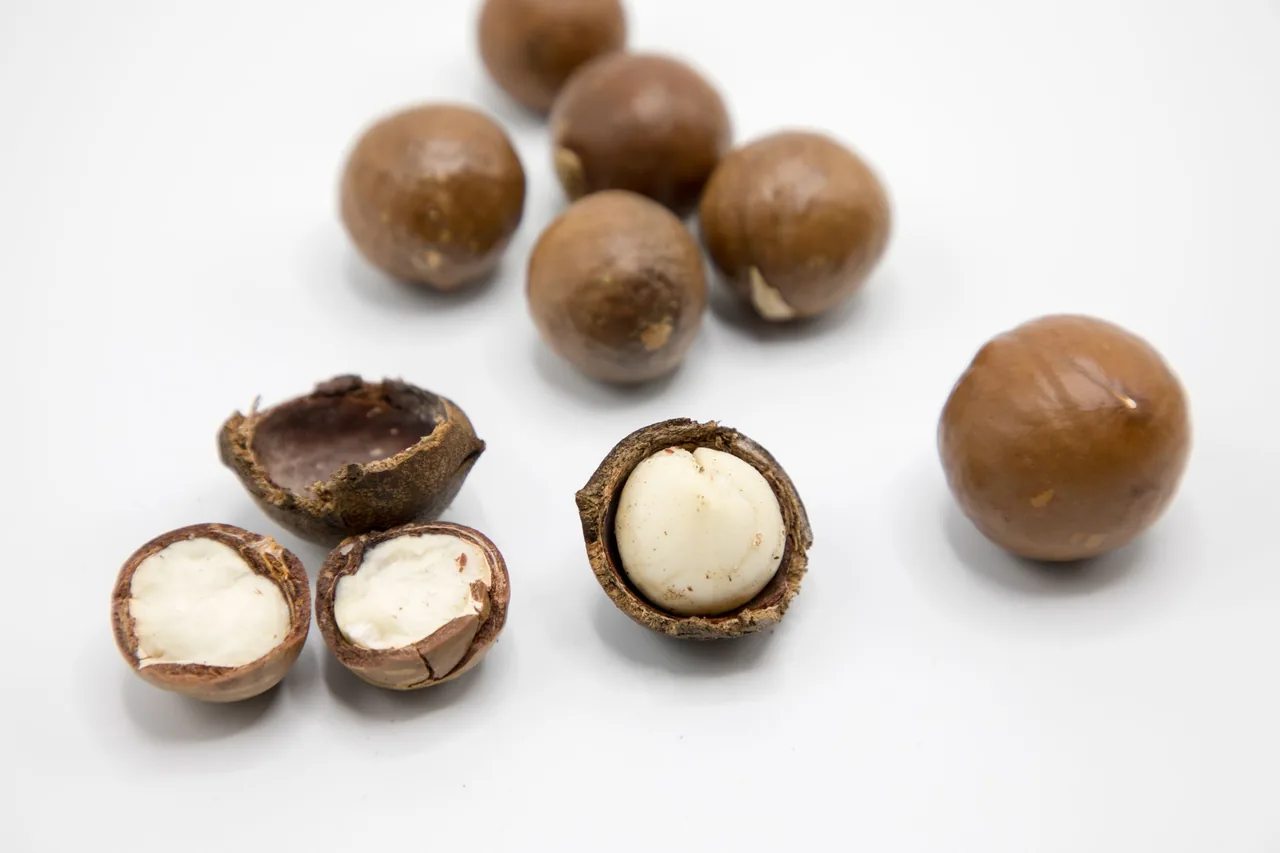
Nobody knows exactly which compound in macadamia nuts causes the problem. What is well documented, by the Merck Veterinary Manual and the ASPCA Animal Poison Control Center, is what it does. The Merck manual describes a syndrome of vomiting, weakness, high body temperature and depression of the nervous system. The weakness is often worst in the back legs, so a dog may look wobbly, stiff or unable to get up. Tremors can appear too, and Merck notes they may come from the muscle weakness itself.
It doesn’t seem to matter whether the nuts are raw or roasted, salted or plain. Treat every macadamia as off-limits, along with anything made with them.
How much is a problem?
Dogs have shown signs after eating about 2.4 grams of macadamia nuts per kilogram of body weight, according to the Merck Veterinary Manual. In everyday terms:
- A 10-lb (4.5-kg) dog: about 11 grams, a few nuts.
- A 22-lb (10-kg) dog: about 24 grams, less than an ounce.
- A 66-lb (30-kg) dog: about 72 grams, a couple of ounces.
Those are reported thresholds, not safe limits, and individual dogs vary. Nut size varies too, and you rarely know exactly how many went missing from a bag. Use the numbers to understand why a small dog and a handful of nuts is a real concern, then let the poison line make the call.
Signs of macadamia nut poisoning
Signs typically start within 12 hours of eating the nuts. Watch for:
- Weakness, especially in the back legs, or trouble standing
- Wobbling or poor coordination (ataxia)
- Vomiting
- Tremors
- A high body temperature (hyperthermia): panting and feeling hot to the touch
- Lethargy or looking dull and depressed
You may also find bits of nut in vomit or stool. Merck notes that signs generally clear within about 12 to 48 hours. Dogs with more severe signs may need IV fluids and medication for pain or fever, and a dog that can’t stand or is overheating needs to be seen.
What to do if your dog ate macadamia nuts
- Call your vet or a poison line. ASPCA Animal Poison Control (888) 426-4435 or Pet Poison Helpline (855) 764-7661. A fee may apply.
- Have the details ready: your dog’s weight, roughly how many nuts, when, and what form they were in (plain, salted, in a cookie, or chocolate-coated).
- Don’t make your dog vomit at home unless a vet tells you to.
- Keep your dog cool and quiet while you wait for advice, and watch for weakness, wobbling or tremors.
The free Pet Poison Emergency Card puts both numbers and the questions they will ask on one page for the fridge.
The chocolate problem: two poisons in one bite

Macadamias rarely show up on their own. They’re baked into white-chocolate cookies, coated in milk or dark chocolate, and mixed into trail mix and holiday tins. When chocolate is involved, your dog is dealing with theobromine and caffeine as well, which affect the heart and nervous system (why chocolate is toxic). Tell the poison line about every ingredient, and if chocolate was part of it, the free Chocolate Toxicity Calculator gives a quick severity estimate while you call.
Cookies and nut mixes can also carry raisins, which are dangerous on their own (grapes and raisins). Read the label, or keep the box to read out on the phone.
Where macadamias hide
- White-chocolate macadamia cookies and other bakery items
- Chocolate-covered macadamias, a common souvenir and gift-box treat
- Trail mix, mixed nuts and granola
- Nut butters and spreads that include macadamia
- Holiday cookie tins and gift baskets left at nose height
Store them the way you store chocolate: up high, in a closed cupboard, never on a coffee table or in a bag on the floor.
Safer swaps
If you want to share a nutty treat, plain, xylitol-free peanut butter is the dog-friendly option. Most other nuts (almonds, walnuts, pecans) aren’t poisonous the way macadamias are, but they’re fatty and a choking size for small dogs, so the Toxic-Foods Checker lists them as Caution. For crunchy rewards, carrots and apple slices do the job without the risk. The free food safety chart puts the whole Safe / Caution / Never list on the fridge.
Frequently asked questions
- How many macadamia nuts are toxic to a dog?
- The Merck Veterinary Manual reports clinical signs in dogs that ate about 2.4 grams of macadamia nuts per kilogram of body weight. For a 22-lb (10-kg) dog that is about 24 grams, which is less than an ounce. A small dog needs proportionally less. Because nut size varies and many macadamias come baked into cookies or coated in chocolate, don't try to work out a safe amount at home. Call your vet or a poison line with your dog's weight and your best guess of how many were eaten.
- Will my dog be okay after eating macadamia nuts?
- Usually, yes. The Merck Veterinary Manual describes macadamia toxicosis as generally mild and self-limiting: signs typically start within 12 hours and resolve within about 12 to 48 hours, and dogs with more severe signs may need IV fluids and medication for pain or fever. Being usually survivable doesn't mean you should wait it out, though. A weak, overheated dog can't care for itself, and macadamias often come with chocolate or a lot of fat, so let your vet or a poison line decide whether your dog needs to be seen.
- Are chocolate-covered macadamia nuts worse?
- Yes. Chocolate brings theobromine and caffeine, which dogs clear slowly and which affect the heart and nervous system, on top of the macadamia problem. Dark and baking chocolate are the most dangerous. If your dog ate chocolate-coated macadamias, tell the poison line both ingredients and the kind of chocolate, and use the free Chocolate Toxicity Calculator on this site for a quick severity estimate while you call.
- Are other nuts safe for dogs?
- Macadamias are the nut that is outright toxic. Most other nuts, such as almonds, walnuts and pecans, aren't poisonous in the same way, but they are high in fat (which can upset the stomach or trigger pancreatitis), they are a choking and blockage size for small dogs, and moldy walnuts carry a toxin risk. The site's Toxic-Foods Checker lists them as Caution: best avoided. Plain, xylitol-free peanut butter is the dog-friendly way to share a nut flavor.
Educational content only — not veterinary or professional behavior advice. Consult your vet, or a certified trainer or behaviorist, for your pet. Read the full disclaimer →