Can Dogs Eat Potatoes?
A plain cooked potato is fine for dogs. Raw and green potato is where the trouble is. How to cook it, what to cut away, and the potato dishes to keep off the dog's plate.
On this page
Plain cooked potato is fine for dogs. Raw or green potato is not. The free Dog Toxic-Foods Checker lists raw or green potato as Caution: “Green and raw potato contains solanine; plain cooked potato is fine.” Its advice: “Cook it plain, no green bits; call your vet if a lot of green potato was eaten.”
This page covers how to cook it, what to cut away, and the potato dishes to keep off your dog’s plate.
Why raw and green potatoes are a problem
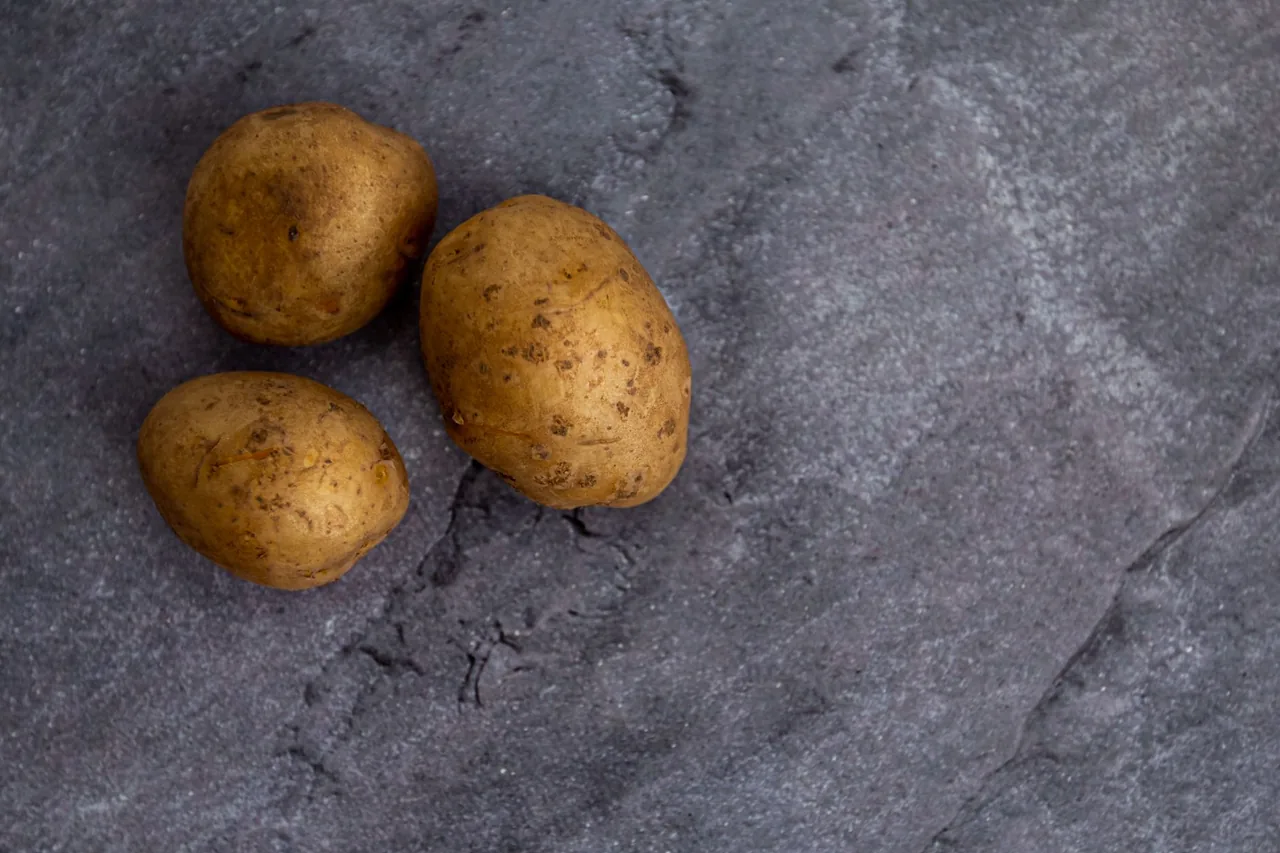
Potatoes are part of the nightshade family, like tomatoes. Raw potatoes, and especially potatoes that have turned green or sprouted, contain solanine. The AKC says cooked potatoes shouldn’t be green, because green potatoes carry toxins that can be dangerous for pets. Raw potato is also hard and hard to digest.
Cooking makes plain potato a safe, if starchy, treat. The AKC adds a practical rule: cook it until it’s soft enough to mash, so your dog can’t choke on a raw or half-cooked piece.
How to prepare potato for a dog
- Pick a sound potato. Throw away potatoes that are green, sprouting or soft.
- Cut away any green patches, eyes and sprouts.
- Boil or bake it plain, with no butter, oil, salt, cheese or seasoning, until soft enough to mash.
- Mash it or cut it into small cubes.
The AKC says skins are fine if they aren’t green. Peeling is the simplest way to be sure.
How much potato to give
Keep it to a small spoonful or a cube or two as an occasional treat. Potato is starchy and calorie-dense, so it counts toward the roughly 10% of daily calories that treats should stay under, the guideline AAHA uses. The free Dog Feeding Calculator gives your dog’s daily number. Ask your vet first for a diabetic or overweight dog.
Potato dishes to skip
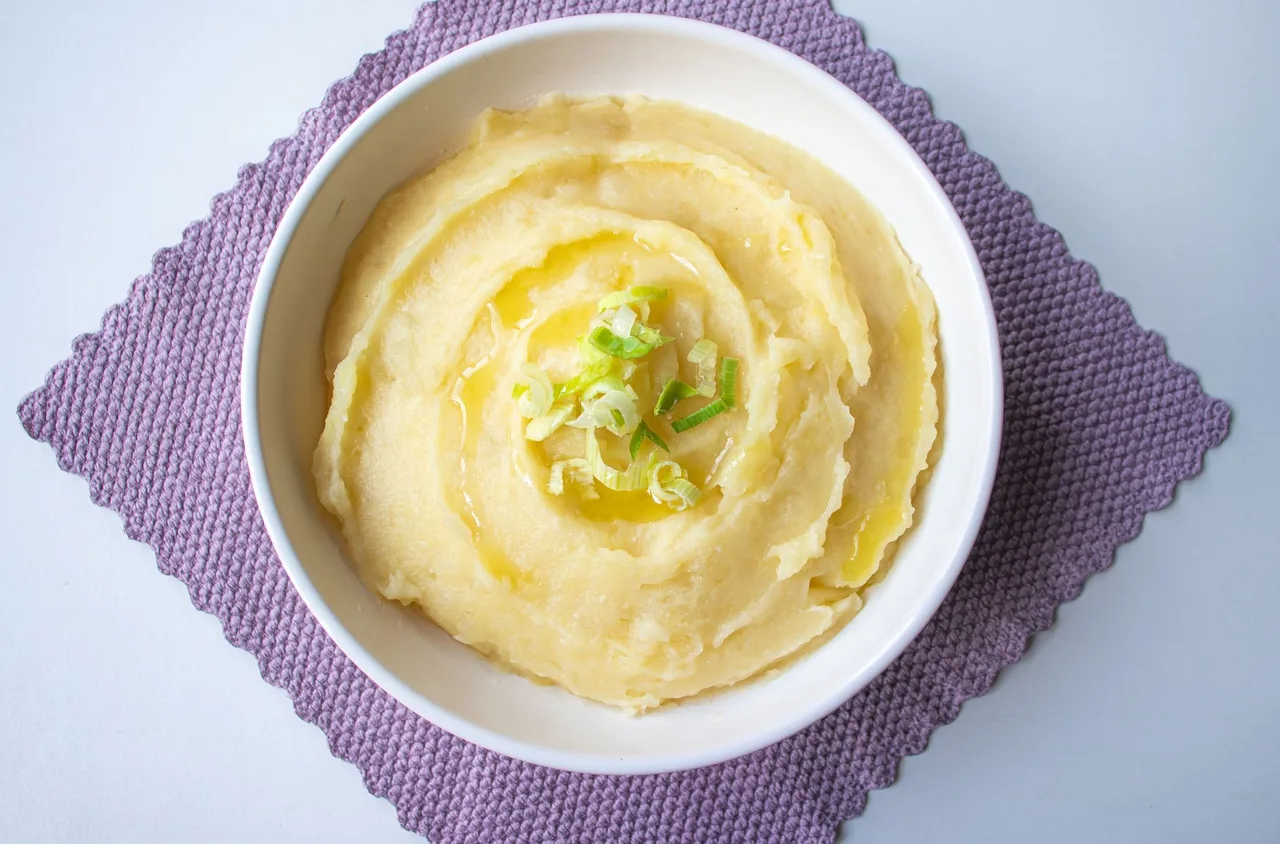
- Mashed potatoes made for people: butter, milk or cream, salt, and often garlic, onion or chives. Set aside a plain spoonful before the butter goes in (mashed potatoes).
- French fries and potato chips: fried, salty, and sometimes seasoned with garlic or onion powder.
- Loaded baked potatoes and potato skins: cheese, bacon, sour cream and chives.
- Potato salad: mayonnaise, onion and seasoning.
- Hash browns: fried in oil, often with onion.
Raw potato in the kitchen or garden
If your dog ate a lot of raw or green potato, or chewed potato sprouts or plants, call your vet or a poison line: ASPCA (888) 426-4435 or Pet Poison Helpline (855) 764-7661. Store potatoes in a closed cupboard or bin, and fence off potato plants in the garden along with tomatoes (tomatoes). For a starchy treat that’s easy to get right, plain cooked sweet potato or pumpkin works well. The free food safety chart puts the whole Safe / Caution / Never list on the fridge.
Frequently asked questions
- Can dogs eat raw potatoes?
- No. The site's Toxic-Foods Checker notes that raw and green potato contains solanine, while plain cooked potato is fine. Raw potato is also hard and difficult to digest. The AKC advises cooking potatoes until they're soft enough to mash, so a dog can't choke on a raw or half-cooked piece. If your dog ate a lot of raw or green potato, call your vet.
- Can dogs eat potato skins?
- The AKC says potato skins are okay as long as they aren't green. Green skin is a sign of solanine, so cut away any green patches, eyes and sprouts, or skip the skin altogether. Loaded potato skins with cheese, bacon, sour cream and chives are a different food: fatty, salty, and chives belong to the onion family.
- Can dogs eat french fries or potato chips?
- It's better not to. Fries and chips are fried in oil and heavily salted, and some are seasoned with garlic or onion powder. A dropped fry won't hurt most dogs, but greasy, salty food can upset the stomach and contribute to pancreatitis, so don't share them on purpose.
- How much potato can a dog have?
- Keep it small: a spoonful of plain mashed potato or a cube or two of plain cooked potato as an occasional treat. Potato is starchy and fairly calorie-dense, so it belongs in the treat budget, which should stay within about 10% of daily calories. Ask your vet first for a diabetic or overweight dog.
Educational content only — not veterinary or professional behavior advice. Consult your vet, or a certified trainer or behaviorist, for your pet. Read the full disclaimer →