Can Dogs Eat Sweet Potatoes?
Plain cooked sweet potato is a fiber-rich treat most dogs love. Why it has to be cooked, how much to give, and what the grain-free heart question means for it.
On this page
Yes, dogs can eat sweet potatoes, as long as they’re cooked and plain. The free Dog Toxic-Foods Checker lists plain cooked sweet potato as Safe: “Fiber and vitamins — cook it plain and skip the marshmallows and butter.” Its one firm rule: “Cooked and plain only — never raw.”
This page covers how much to give, how to cook it, and what the grain-free heart question does and doesn’t mean for a spoonful of sweet potato.
Why sweet potato is a good treat
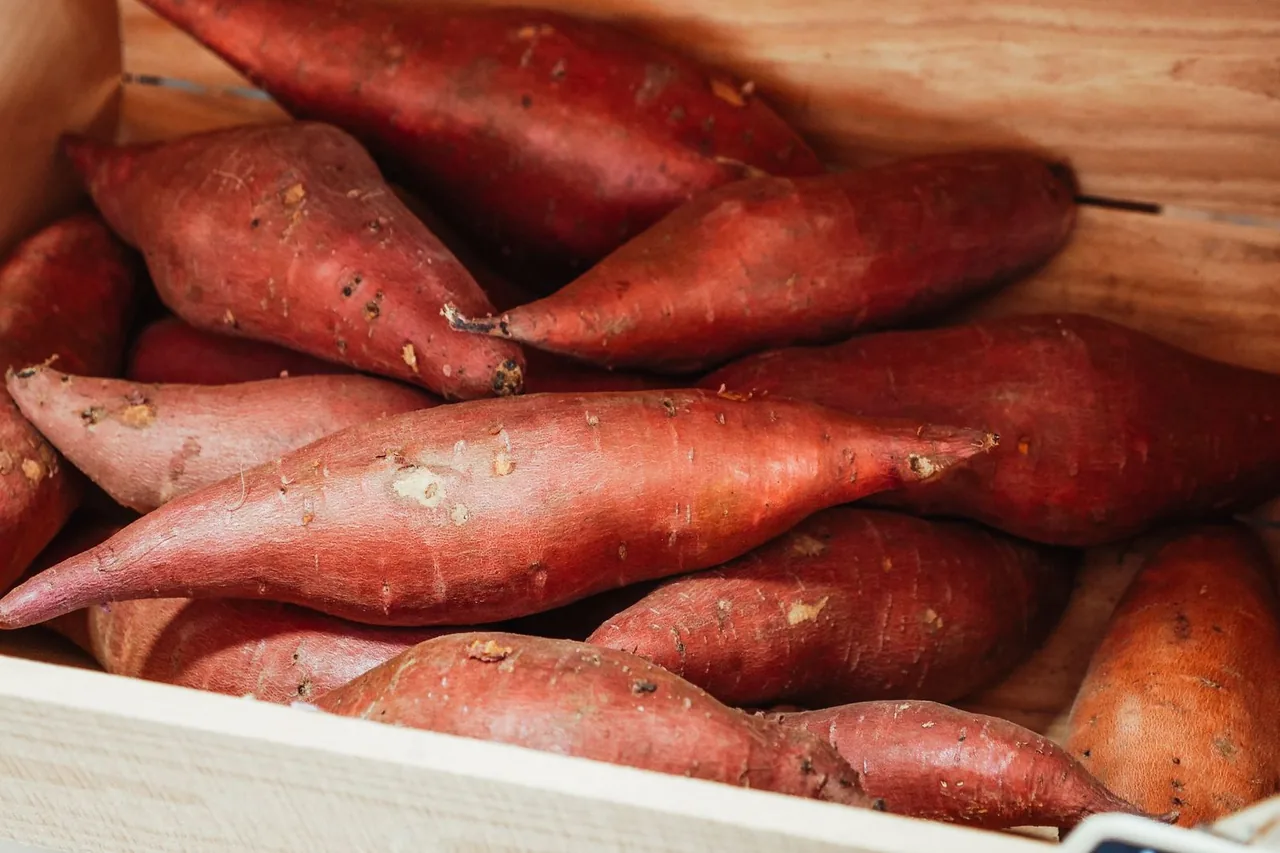
The AKC describes sweet potatoes as a good source of dietary fiber, and they also bring vitamins, including the beta-carotene that gives them their orange color. Cooked and mashed, they’re soft, naturally sweet and easy to portion, which is why they show up in so many homemade dog treats and as a topper on a picky eater’s dinner. For a dog on a complete diet, the vitamins are a bonus rather than a need. The real appeal is a filling, plain, whole-food treat most dogs love.
How much sweet potato to give
The checker’s portion guide: a small cube or two — a teaspoon for a small dog, a tablespoon for a large one. “Cooked and plain; it’s starchy, so keep it to a treat.”
- Count it in the treat budget. All treats together should stay within about 10% of daily calories, the guideline AAHA uses. The free Dog Feeding Calculator turns that into a number.
- Start small. Extra fiber all at once can loosen stools.
- Use it as a topper. A spoonful mashed into dinner can tempt a fussy eater without changing the diet.
How to prepare it
- Cook it plain: bake, steam or boil until soft, with no butter, oil, salt, sugar or spice.
- Peel it: the skin is tough and fibrous.
- Mash or cube it: small cubes for treats, mash for a topper or a lick mat.
- Freeze extras: spoon mash into an ice-cube tray for ready portions.
Never raw, and skip the holiday dish
Raw sweet potato is hard, fibrous and difficult for a dog to digest, and a firm chunk can be a choking or blockage risk for a dog that gulps. Cooking fixes both problems.
Holiday sweet potatoes are a different food. Candied yams, sweet potato casserole and pie add butter, brown sugar, marshmallows and spices such as nutmeg. That’s a lot of sugar and fat for a dog’s stomach. The checker’s advice for holiday foods is consistent: set aside a plain spoonful before the butter and toppings go in. The same goes for mashed potatoes and pumpkin pie.
Sweet potato, grain-free food and heart health
You may have seen sweet potatoes mentioned in news about grain-free dog food and heart disease. The U.S. FDA has investigated reports of dilated cardiomyopathy (DCM) in dogs eating certain diets, many of them labeled grain-free. In its 2019 update, most of the reported cases involved foods containing peas or lentils, with potatoes and sweet potatoes appearing less often. The FDA has not established that any single ingredient causes DCM.
What that means in practice: a spoonful of cooked sweet potato as a treat is a very different thing from a complete diet built mainly on starches and legumes. If your dog eats a grain-free food, or you’re worried about heart health, ask your vet about the diet as a whole.
More plain, fiber-rich extras
Sweet potato sits well alongside other plain foods dogs can share: plain pumpkin, carrots and green beans. The free food safety chart keeps the whole Safe / Caution / Never list on the fridge.
Frequently asked questions
- How much sweet potato can my dog have?
- The site's Toxic-Foods Checker suggests a small cube or two: about a teaspoon for a small dog and a tablespoon for a large one. Sweet potato is starchy and fairly calorie-dense compared with green vegetables, so it belongs in the treat budget, which should stay within about 10% of your dog's daily calories. Start small, because a sudden big serving of fiber can loosen stools.
- Can dogs eat raw sweet potato?
- No. The checker is clear: cooked and plain only, never raw. Raw sweet potato is hard, fibrous and difficult for a dog to chew and digest, and a firm raw chunk swallowed whole can be a choking or blockage risk, especially for a dog that gulps. Cooking softens it and makes it easy to digest.
- Can dogs eat sweet potato skin?
- The skin isn't toxic, but it's tough and fibrous, and it's often where seasoning, oil or dirt sits. Peeling cooked sweet potato is the simplest way to avoid stomach upset or a chewy piece that's hard to swallow. If you buy dried sweet potato chews, pick plain, single-ingredient ones and size them to your dog.
- Are sweet potatoes linked to heart disease in dogs?
- The FDA has investigated reports of dilated cardiomyopathy (DCM) in dogs eating certain diets, many of them labeled grain-free. In its 2019 update, most of the reported cases involved foods containing peas or lentils, with potatoes and sweet potatoes appearing less often, and the FDA has not established that any ingredient causes DCM. A spoonful of cooked sweet potato as a treat is a different thing from a diet built on starches and legumes. If your dog eats a grain-free food, or you have heart concerns, talk it through with your vet.
Educational content only — not veterinary or professional behavior advice. Consult your vet, or a certified trainer or behaviorist, for your pet. Read the full disclaimer →