Can Dogs Eat Tortillas?
A scrap of plain tortilla is filler, not a danger. Salty tortilla chips and whatever goes inside the taco, quesadilla or burrito are another story: salt, fat, cheese, onion and garlic.
On this page
A small piece of plain tortilla, corn or flour, isn’t a poison, but it doesn’t add much either. The free Dog Toxic-Foods Checker lists tortillas under Caution: “A small piece of plain corn or flour tortilla is filler: calories with little nutrition. Fried, salty tortilla chips and fillings with onion, garlic, salt, fatty cheese or seasoned meat are the real risk.”
No veterinary source I checked names tortillas, so I built this answer from the ingredients. And if your family calls them totopos, the Diccionario de americanismos (ASALE) records the Mexican word as “trozo o fracción de tortilla de maíz tostada,” a piece of toasted corn tortilla.
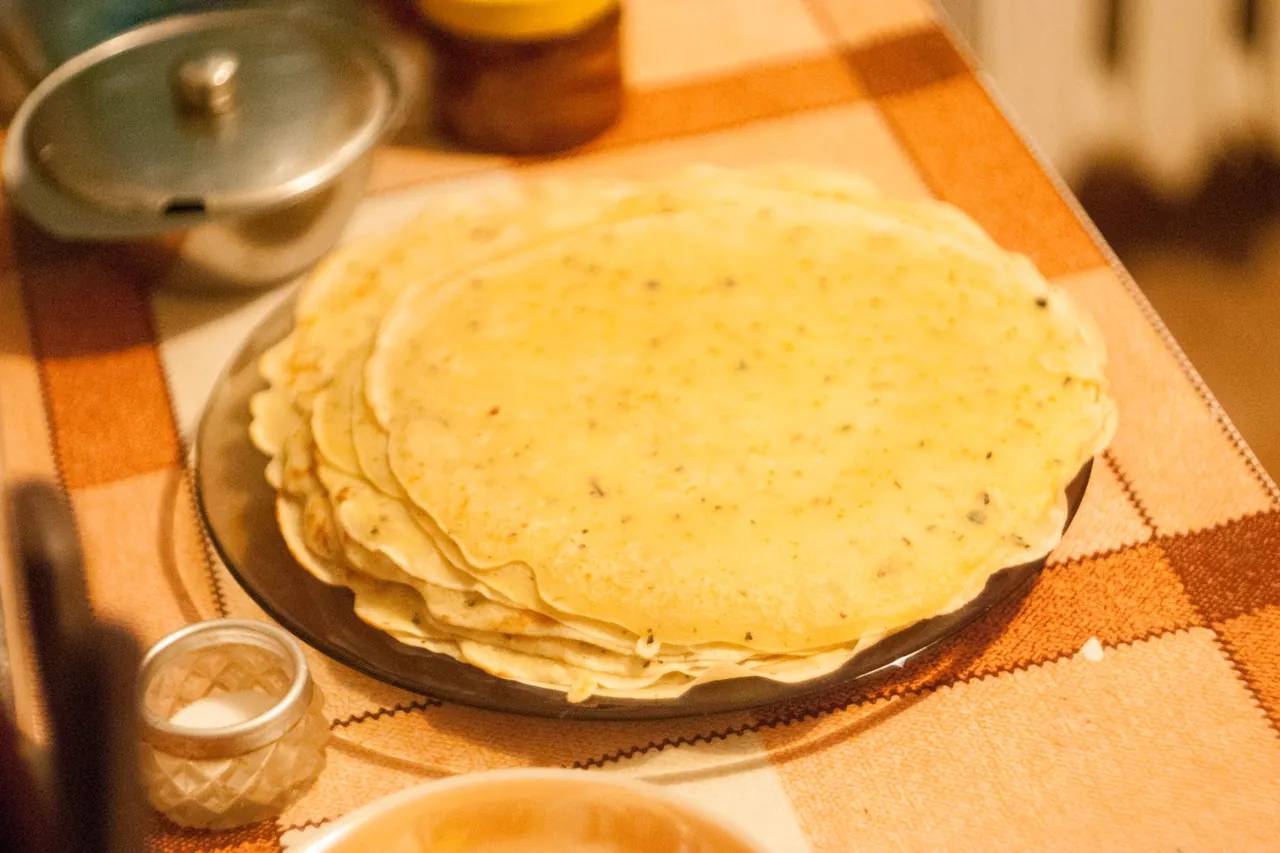
Corn tortillas
The AKC says plain corn is “safe in small amounts as an occasional treat,” and advises you to “make sure your dog doesn’t have a corn allergy.” It also warns that “butter, salt, and seasonings can add unnecessary fat and sodium that may upset your dog’s stomach.”
How common is that allergy? A 2016 review of common food-allergen sources (Mueller, Olivry and Prélaud) found corn in 13 dogs (4%), far behind beef at 102 dogs (34%). It’s a single study, and it doesn’t contradict the AKC: a corn allergy is possible, just uncommon.
Flour tortillas
For wheat, the AKC says “plain white and wheat bread are generally safe for dogs to eat, provided they don’t have any allergies,” and that “bread is essentially a filler food.” Packaged flour tortillas vary, so read the label; I found no source on their fat or salt content.
Tortilla chips: salt and frying fat
The AKC lists “potato chips, pretzels, peanuts, and popcorn” among risky cookout snacks and warns that “too much salt can lead to sodium ion poisoning in dogs,” with vomiting, diarrhea, tremors, fever and seizures. Tortilla chips belong to the same family of salty snacks.
The sources don’t weigh salt the same way. The Merck Veterinary Manual notes “increasing reports of adverse effects in dogs from acute excess salt consumption,” though it considers poisoning unlikely as long as fresh drinking water is available. And frying adds fat: the ASPCA warns that too much fat can lead to inflammation of the pancreas (pancreatitis).
Tacos, quesadillas and burritos
Here the risk is the filling:
- Onion and garlic in salsas and stews. The ASPCA says the onion family can damage red blood cells, and Merck notes cooked and powdered forms count too (onions and garlic).
- Cheese. The AKC warns that some cheeses contain “garlic, onions, and chives,” which are toxic to dogs, and that too much fat risks “pancreatitis, a serious and potentially fatal illness in dogs” (cheese).
- Seasoned meat: usually carries the same seasonings, plus fat and salt.
If you want to share, set aside a plain scrap of tortilla before the tacos are built and count it as a treat. The free Dog Feeding Calculator gives your dog’s daily calories.
When to call the vet
- If your dog ate a filling with onion or garlic, even if your dog seems fine: Merck says the red-blood-cell damage typically shows up 3 to 5 days later.
- If your dog ate a lot of chips and has vomiting, diarrhea, tremors or seizures. The ASPCA lists depression, tremors, seizures and even death among the signs of salt toxicity.
- If there are signs of pancreatitis after a greasy quesadilla or taco: VCA lists nausea, vomiting, fever, lethargy, abdominal pain, diarrhea and decreased appetite.
If your vet is unavailable, ASPCA Animal Poison Control at (888) 426-4435 and Pet Poison Helpline at (855) 764-7661 can advise (a fee may apply). If you suspect a corn or wheat allergy, the free Dog Allergy Symptom & Food Diary helps you track what your dog eats and how they react.
Frequently asked questions
- Is a corn or a flour tortilla better for a dog?
- No source compares the two. The AKC says plain corn is safe only in small amounts as an occasional treat, and that plain white or wheat bread is generally safe if a dog has no allergies. Either way it's filler, so what matters is keeping it to a small piece with no oil, salt or filling.
- Can dogs eat tortilla chips?
- Better not. They're fried, salted tortilla. The AKC lists potato chips, pretzels, peanuts and popcorn among risky salty snacks and warns that too much salt can lead to sodium ion poisoning. If your dog ate a lot of chips and has vomiting, diarrhea, tremors or seizures, call your vet.
- Can my dog be allergic to corn?
- It can happen, though it's uncommon. The AKC advises making sure your dog doesn't have a corn allergy before sharing corn. In a 2016 review (Mueller, Olivry and Prélaud), corn turned up in 13 dogs (4%) with food reactions, far behind beef at 102 dogs (34%). That's a single study.
- My dog stole a taco. What should I do?
- Think about the filling. If it had onion, garlic or a salsa made with them, call your vet even if your dog seems fine, because Merck notes the red-blood-cell damage typically shows up 3 to 5 days later. If it was greasy or cheesy, watch for vomiting, belly pain or lethargy, which can be signs of pancreatitis.
Educational content only — not veterinary or professional behavior advice. Consult your vet, or a certified trainer or behaviorist, for your pet. Read the full disclaimer →