Dog Sports for Beginners: How to Choose and Get Started
Agility, rally, scent work, dock diving and more: what each sport involves, the minimum ages, which suits which dog, and how to start without hurting a growing puppy.
On this page
The best dog sport for a beginner is the one your dog already loves doing: sniffing, running, jumping, swimming or working beside you. The AKC runs or records titles in many of them, from agility and rally to scent work, dock diving and Fast CAT, and most welcome mixed breeds. Before you start, check the minimum age, get a vet check, and protect a growing dog’s joints. Here is what each sport involves and how to begin, from the AKC, VCA and the veterinary research.
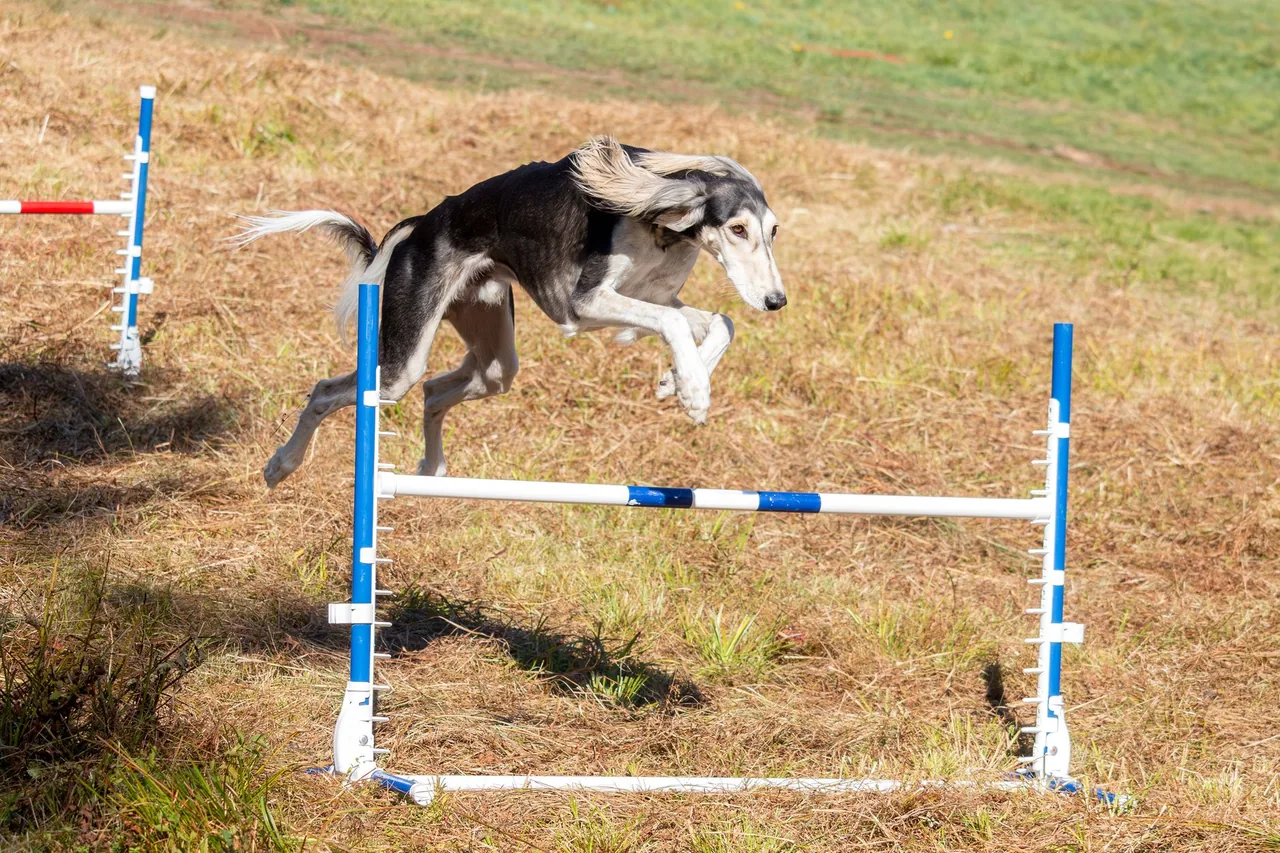
The sports, at a glance
Agility. The dog runs a course of about 14–20 obstacles against the clock (tunnels, weave poles, jumps, a seesaw, a pause table) while the handler steers by voice and body language only. AKC agility starts at 15 months. The AKC suggests a weekly beginner class and 15–20 minutes of practice a day at home.
Rally. A course of 10–20 numbered signs, each naming the next skill, worked continuously with the dog on your left. It starts at 6 months, and deaf dogs may enter.
Obedience. Heeling, recalls, stays, retrieves and jumps, in three levels: Novice, Open and Utility (which adds scent discrimination and hand signals). From 6 months.
Scent work. The dog searches for hidden swabs scented with birch, anise, clove or cypress oil, and alerts a handler who doesn’t know where the hide is. From 6 months, purebreds and mixes alike.
Dock diving. The dog runs down a dock of at least 40 feet and leaps into a pool after a toy; the jump is measured to where the base of the tail hits the water. From 6 months.
Flyball. A relay of four dogs, each jumping a row of hurdles, triggering a box to release a ball, and racing back. From 15 months, and dogs need a solid recall and no aggression toward other dogs.
Barn hunt. Dogs sniff out rats kept safe in aerated tubes among straw bales, tunneling and climbing as they go. From 6 months.
Fast CAT. A timed 100-yard dash chasing a lure, one dog at a time, with a soundness check first. From 12 months, mixed breeds included.
Treibball. The dog pushes eight large inflatable balls into a goal in order, within 7 minutes. Training is positive-only, and one dog competes at a time with no dogs or food on the sidelines.
Canicross. Running with your dog ahead of you on a 6–10 foot bungee line, in a harness made for pulling. The AKC suggests waiting until the joints finish growing, about 1.5 years for most breeds, and getting your vet’s approval first.
Which sport fits your dog?
Match the sport to what your dog already enjoys. Dogs who live through their noses tend to take to scent work and barn hunt. Sprinters and lure-chasers often love Fast CAT. Water-loving retrievers are natural dock divers. Dogs who like working closely with you often enjoy rally and obedience, and a reactive dog may do better in sports where one dog works at a time, such as treibball or scent work. If your dog is reactive, the free reactive dog starter path is a good place to begin before any class.
Mixed breeds are welcome. The AKC’s Canine Partners program enrolls dogs that can’t be AKC-registered, as long as they are spayed or neutered by adulthood, and lets them compete in agility, obedience, rally and Fast CAT, with flyball, dock diving and barn hunt titles recorded too.
Protect a growing dog’s joints
The AKC advises no competitive or high jumping until about 12–15 months, and longer for giant or slow-maturing breeds, because jumping on open growth plates can cause lasting damage. Until then, train “low and slow,” with bars on the ground, and cut down on everyday leaps off the bed, over gates and out of the car.
How long growth takes depends on size. VCA puts skeletal maturity at about 7–20 months, sooner in small breeds; a vet-written AKC article gives as early as 8 months in small breeds and 18–24 months in large and giant breeds. The dog age calculator shows your dog’s life stage by size.
Before you start: vet check and fitness
AKC events require dogs to be physically sound and current on vaccines. VCA recommends a vet evaluation before a new sport, a gradual build-up of fitness, and caution with flat-faced breeds, which may struggle with strenuous exercise. In warm weather, exercise in the cooler hours, and use VCA’s simple test: if the pavement is too hot for your bare hand for 10 seconds, it is too hot for paws.
Injuries are part of the picture. A 2021 survey in the Journal of the American Veterinary Medical Association found that 41.7% of 4,701 agility dogs had had an injury that kept them out for more than a week; the shoulder was the most common site. Warm-ups, a gradual build-up and rest days matter, and so does stopping at the first sign of lameness.
How to get started
- Teach the foundations at home. A solid recall, a reliable sit and down, and attention around distractions carry into every sport. The free recall training log and dog commands chart help.
- Find a reward-based beginner class. The AKC points newcomers to local clubs and training classes.
- Try a low-pressure first event. In agility, the AKC suggests its Agility Course Test.
- Keep sessions short and fun. The AKC names mental stimulation, a stronger bond and better manners as benefits of sports training; they only come if your dog enjoys it.
Frequently asked questions
- What is the easiest dog sport to start?
- Scent work and rally are two of the gentlest starts. Scent work asks a dog to find a hidden scent and is open from 6 months of age; rally is a course of 10–20 signs you work through together with your dog on your left, also from 6 months. Neither involves high jumps.
- How old does a dog have to be for agility?
- At least 15 months for AKC agility. Other organizations differ: NADAC starts at 15 months for its intro level and 18 months above that, and the UK Kennel Club at 18 months. The AKC also advises no competitive or high jumping until about 12–15 months, longer for giant or slow-maturing breeds.
- Can mixed-breed dogs compete in dog sports?
- Yes. The AKC’s Canine Partners program enrolls dogs that can’t be AKC-registered, as long as they are spayed or neutered by adulthood. Enrolled dogs can compete in agility, obedience, rally and Fast CAT, and can have flyball, dock diving and barn hunt titles recorded.
- Which dog sports suit a reactive dog?
- Sports where one dog works at a time. In treibball, one dog competes alone with no dogs or food on the sidelines, and training is positive-only. Scent work is another quiet option, since each dog searches on its own.
- Are dog sports safe?
- They can be, with care. A 2021 survey of 4,701 agility dogs found 41.7% had had an injury that kept them out for more than a week, most often the shoulder. A vet check first, a gradual build-up, low jumps for young dogs and stopping at the first sign of lameness all lower the risk.
Educational content only — not veterinary or professional behavior advice. Consult your vet, or a certified trainer or behaviorist, for your pet. Read the full disclaimer →