How to Teach a Reliable Recall
A dog that comes when called is safer and freer. How to build a recall from easy to hard, why recall words stop working, the long line, the emergency recall, and why rewards beat corrections.
On this page
To teach a reliable recall, start somewhere easy, say the word once as your dog is already heading toward you, and make coming to you the best deal around, every single time. Add distance, distractions and new places one at a time, use a long line in open spaces, and never punish a dog that comes. That is the reward-based method the AKC describes and the AVSAB recommends, and a 2020 study found it works better than an e-collar.
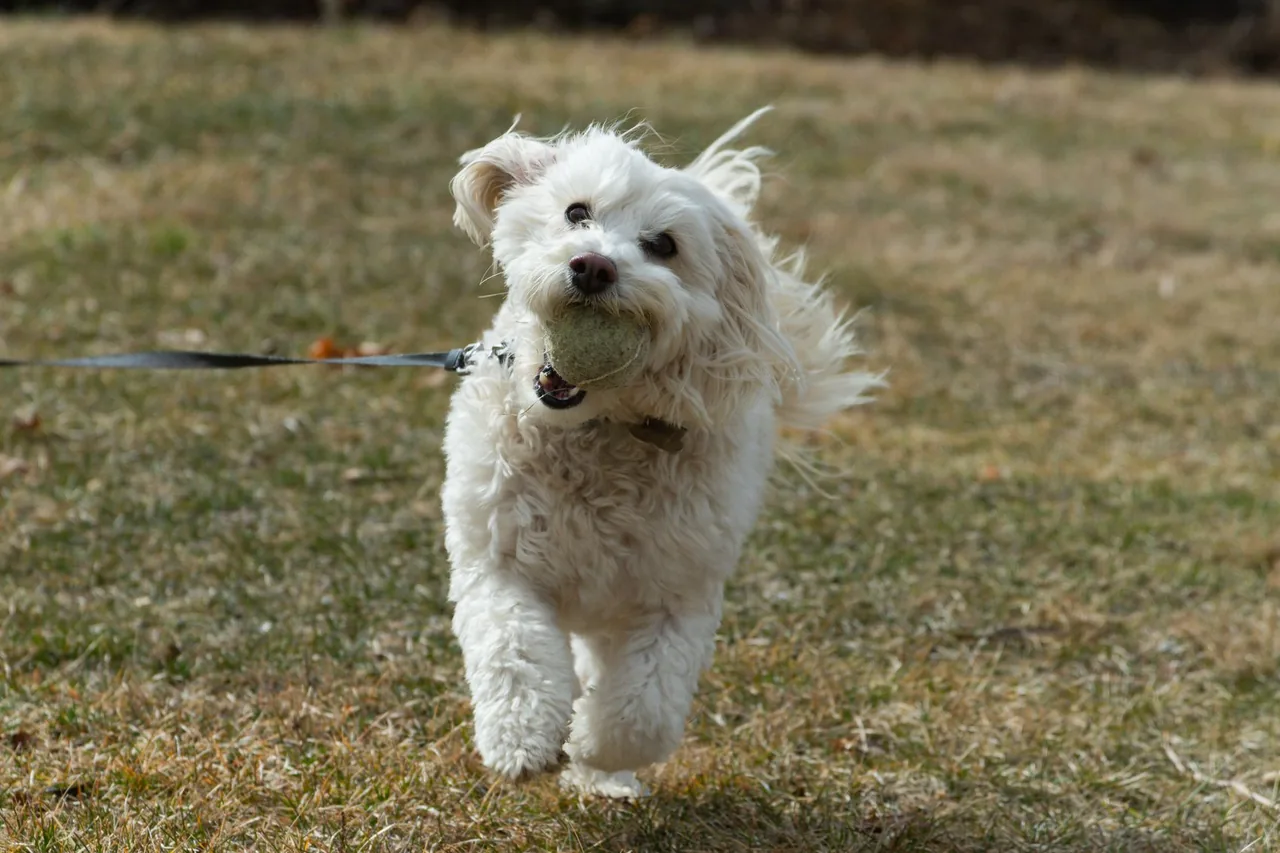
Start where it is easy
The AKC recommends starting indoors or somewhere calm, then adding distance and distractions gradually, and practicing in a fenced area before busier places. The order matters: change one thing at a time. A recall that is solid in the kitchen isn’t yet a recall at the dog park.
Add the word late. Say it only once your dog is already coming toward you, and say it once. If you find yourself repeating it, the setting is too hard for now, the AKC notes; go back a step.
Make coming to you worth it
Pay well. Chicken, cheese, freeze-dried liver or a favorite toy, every time your dog comes. Praise every recall, and reward check-ins and staying close as well (AKC).
Don’t end the fun. If “come” always means the leash goes on and the park visit ends, your dog learns to avoid it. Call during play, reward, and send your dog straight back to play (AKC). VCA adds that after calling a dog away from play, spend a few minutes together rather than leaving right away.
Don’t grab on arrival. Reaching for the collar as your dog arrives can scare some dogs (AKC). VCA suggests practicing collar touches at least twice a day, paired with treats, so a hand on the collar predicts good things.
What never to do
- Never punish a dog that comes, even if it came slowly or after getting into mischief. It teaches your dog to avoid you (AKC, VCA).
- Don’t call your dog for things it dislikes, such as a nail trim or leaving the park. That is one of the most common ways a recall word gets “poisoned” (AKC).
- Don’t chase. It becomes keep-away. Run the other way so your dog follows, then make the next try easier (AKC).
- Skip the shock, prong and choke collars. The AVSAB says aversive methods should not be used and that there is no evidence they are necessary.
When the word stops working
The AKC describes a poisoned cue as one that has lost its meaning, often because it was introduced too early, repeated over and over, or rewarded only sometimes. Repeating the cue louder and louder makes it worse. The fix is to retrain from scratch, and often the cleanest way is a new word, such as “here.”
The long line
Until the recall is solid, let your dog off leash only in secure areas. In parks, the AKC suggests a 15–20 foot long line. VCA reminds you that the line is a safety backup, not a reel: pulling a dog in only makes it lean back. Hold it loosely, call once, and let the reward do the work.
The emergency recall
Keep a second, rarely used word for real emergencies. VCA’s version: say it cheerfully, then scatter 10 to 20 high-value treats at your feet while you take the collar, and rehearse it a few times a week so the word stays powerful. If you find yourself needing it more than once every few months, VCA notes, your everyday recall needs more work.
The free recall training log has room for both words and a log of each session: place, distraction, distance and whether your dog came on the first call.
Why rewards beat corrections
Recall is the top reason owners reach for shock collars. In a 2020 study of 63 dogs with off-leash problems, the dogs trained with rewards responded to “come” and “sit” on the first command more often, and faster, than the dogs trained with e-collars, and the authors found no evidence that e-collar training was necessary. The AVSAB recommends reward-based methods for all dog training and links aversive methods to stress, fear and later aggression.
If your dog seems fearful or avoids you during training, step back and talk to a reward-based trainer, your vet, or a board-certified veterinary behaviorist. And for the everyday cues that support a good recall, the dog commands chart lists the words and hand signals in teaching order.
Frequently asked questions
- How long does it take to teach a reliable recall?
- There is no fixed timeline; it depends on your dog and on how hard each new setting is. Progress one step at a time and move on only after several easy successes. The AKC also stresses that no recall is ever guaranteed, so secure areas and long lines stay part of the plan.
- Why does my dog ignore “come”?
- The word may have lost its meaning. The AKC calls this a poisoned cue: it happens when the word is introduced too early, repeated, rewarded inconsistently, or used for things the dog dislikes, such as a nail trim or leaving the park. The fix is to retrain from scratch, often with a new word such as “here.”
- Should I chase my dog if it won’t come back?
- No. Chasing turns it into a game of keep-away. The AKC suggests running the other way so your dog follows, then making the next try easier. When your dog does come, reward it, however long it took.
- What is an emergency recall?
- A separate word saved for real emergencies. VCA suggests saying it cheerfully, then scattering 10 to 20 high-value treats at your feet while you take the collar, and rehearsing it a few times a week. Needing it more than once every few months means the everyday recall needs work.
- Do I need an e-collar for a reliable recall?
- No. The AVSAB recommends reward-based methods for all dog training, and in a 2020 study of dogs with off-leash problems, the dogs trained with rewards responded to “come” on the first command more often, and faster, than those trained with e-collars. The authors found no evidence that e-collar training was necessary.
Educational content only — not veterinary or professional behavior advice. Consult your vet, or a certified trainer or behaviorist, for your pet. Read the full disclaimer →