Trick-or-Treat and the Doorbell: Getting a Reactive or Anxious Dog Through Halloween Night
Doorbell, strangers, costumes, screaming kids, candy on the floor. Halloween is the worst trigger stack of the year, so plan for it the force-free way.
On this page
The kindest plan for a reactive or anxious dog on Halloween is to take the night off from the front door entirely. Set up a decompression room as far from the door as your home allows — white noise or a fan, a frozen stuffed enrichment toy, a high-value chew that lasts — and then manage the door so it never becomes your dog’s problem: sit outside with the candy bowl, silence or disconnect the doorbell for the night, and keep a baby gate between your dog and the entryway as backup. Halloween is not a training opportunity. It is the single worst evening of the year to “work on” a door-sensitive dog, and the best thing you can do for both of you is lower the volume on the whole event.
Why Halloween night hits so hard
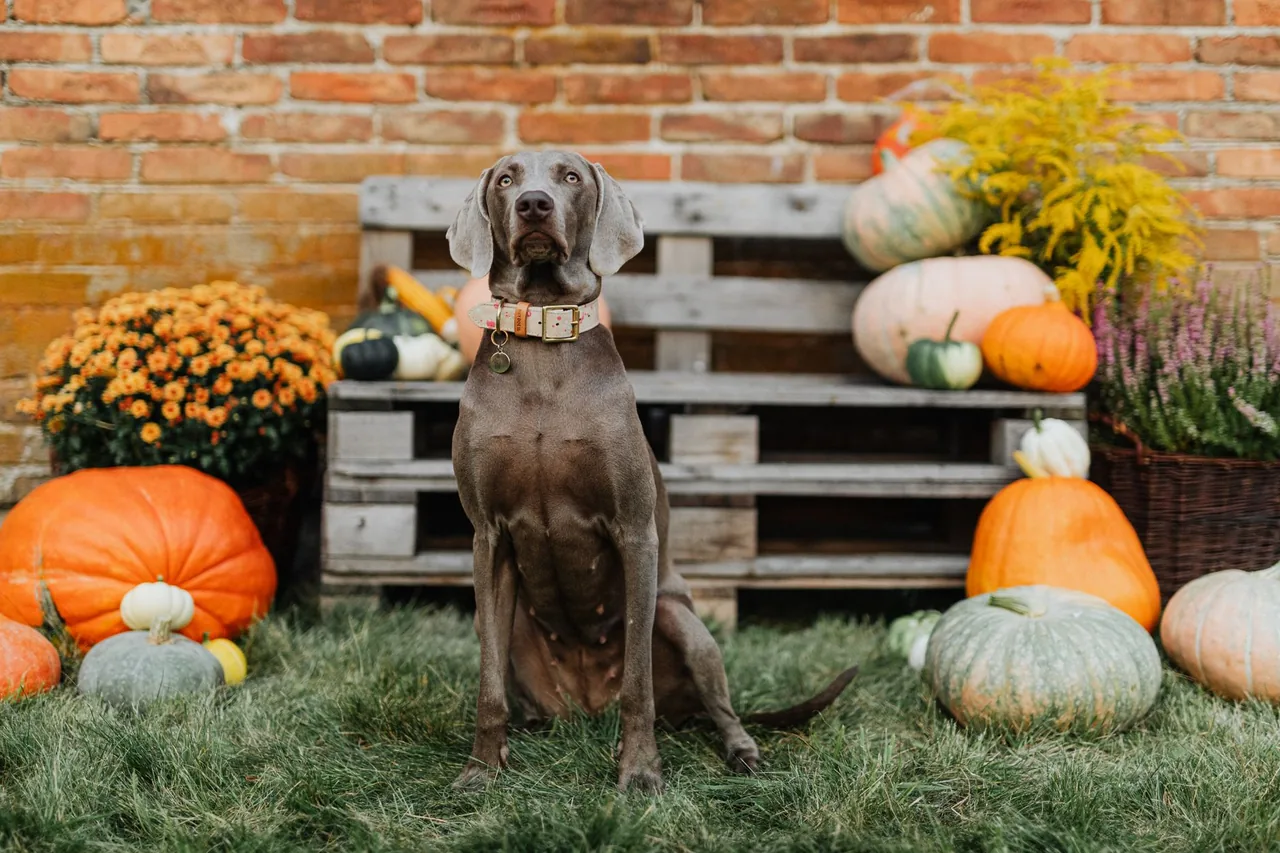
Most anxious dogs can handle one doorbell. Halloween is not one doorbell. It’s a doorbell every few minutes for three hours, each one followed by the door opening, strangers appearing in silhouettes that break every rule of what a human is supposed to look like (capes, masks, glowing pumpkin heads), high-pitched shrieking, and the door closing again. On top of that, there may be candy on the floor, decorations flapping in the yard, and a family that’s more animated than usual.
Behavior professionals call this trigger stacking: each individual stressor pushes a dog’s arousal up, and there’s no recovery time between hits before the next one lands. A dog who could shake off a single doorbell at 6 p.m. may be barking at shadows by 8, because the stress from each event piles onto the last. Trigger stacking is a core concept in reactivity (I cover it in depth in The Complete Guide to Reactive Dogs), and Halloween is its perfect storm. Once you see the night that way, the plan writes itself: fewer triggers, more distance, more recovery.
The decompression room
Pick the room farthest from the front door — a back bedroom often beats the kitchen. Set it up an hour before the first trick-or-treaters, while your dog is still calm, so the room doesn’t get associated with the chaos already underway. What goes in it:
- Sound cover. White noise, a fan, a TV, or an audiobook: anything steady that blurs the doorbell, the knocking, and the street noise. Sound masking does more for most dogs than any other single change.
- Something long-lasting to work on. A frozen food-stuffed toy, a lick mat, a snuffle mat, or a high-value chew your dog only gets on special occasions. Licking and chewing are naturally calming behaviors, and a dog with a project has less bandwidth for the noises that leak through.
- Familiar comfort. Her bed, water, a worn t-shirt of yours. Closed curtains, so costumed silhouettes don’t parade past the window.
If your dog is comfortable being alone, close the door or use a gate. If being shut away adds panic, one family member can hang out in the room — reading, scrolling — as calm company. Check in either way; this is a spa evening, not solitary confinement.
Manage the door so it never rings
Every doorbell your dog doesn’t hear is a rep of the problem she doesn’t rehearse. The cleanest option is to take the transaction outside: sit on the porch or in a chair by the driveway with the candy bowl, so trick-or-treaters never touch your door at all. If the weather or your street makes that impractical, tape over the doorbell with a friendly “please knock softly” or “help yourself!” sign, put the bowl on the step, or physically disconnect a chime unit for the evening. Inside, a baby gate across the hallway gives you a second barrier so an opened door is never an open door all the way to your dog.
Don’t turn Halloween into an exposure session
It’s tempting to think a night of nonstop doorbells is a chance to “get her used to it.” It’s the opposite. Uncontrolled, repeated, full-intensity exposure is flooding, and it doesn’t teach a dog that doorbells are fine. It teaches her that the scary thing happens over and over and she can’t escape it. Dogs pushed over threshold aren’t learning; they’re surviving. AVSAB’s guidance on humane training is built on exactly this point: behavior changes through gradual exposure under threshold paired with good things, never through overwhelm, and never through punishing the barking that overwhelm produces. Yelling at a barking dog on Halloween just adds your stress to her stack. One bad night can undo weeks of careful progress and leave a dog more door-sensitive in November than she was in October. Protect the progress; skip the test.
If Halloween is still weeks away, start doorbell work now
With even three or four weeks of runway, you can change what the doorbell means before the big night. The method is counterconditioning: ring the bell (or play a recording at low volume) and immediately rain half a dozen amazing treats, before your dog has time to spiral. Repeat in short sessions until the bell makes her whip around toward you expecting payment instead of charging the door. Gradually make it more real — louder recording, the actual bell, a knock — always staying at an intensity she can hear without exploding. It’s the same under-threshold engine that fixes leash reactivity, applied to a sound. If you’re new to this kind of work, the free Reactive Dog Starter Path walks you through thresholds and counterconditioning from zero, in order. And even a half-trained doorbell response helps on Halloween; it just doesn’t replace the decompression room this year.
Door-darting, tags, and microchips
Halloween is a classic night for door-dashing, for an obvious reason: the front door opens dozens of times in one evening, often with a startled dog nearby. Before the night, check that her ID tag is on and readable and that your microchip registration has your current phone number. It takes five minutes online. On the night, the gate-plus-managed-door setup above is your real insurance. If she does slip out, don’t chase; run the opposite way calling happily, or drop to the ground with treats. Chasing a frightened dog usually drives her farther away, while a person moving off or crouching low invites her back.
The candy problem
Halloween’s quietest hazard is on the floor. Chocolate is toxic to dogs — the darker, the worse — and a bag of fun-size bars is an emergency for a small dog. Xylitol, the sweetener in many sugar-free gums and candies, is worse: even small amounts can crash a dog’s blood sugar and damage the liver. Raisins (in those “healthy” mini-boxes) can cause kidney failure, and wrappers themselves can obstruct a gut. Keep the candy bowl at adult shoulder height, brief the kids, and sweep the floor before the dog rejoins the family. If she eats something anyway, don’t wait for symptoms: call your vet, the ASPCA Animal Poison Control Center at (888) 426-4435, or the Pet Poison Helpline at (855) 764-7661 (consultation fees apply). For a fast answer on any specific food, the free toxic-foods checker covers the whole candy bowl.
Halloween is one night. Managed well (dog decompressing in the back, you on the porch with the bowl), it can be a thoroughly dull evening for her, and a dull evening is the goal.
Frequently asked questions
- Should I let my dog greet trick-or-treaters?
- For a reactive or anxious dog, no, and even for friendly dogs it's riskier than it looks. Halloween visitors break every rule dogs use to read people: masks hide faces, capes change silhouettes, kids move fast and shriek. A dog who loves normal guests can startle at a costumed one, and an open door with excited children on the other side is the classic door-darting setup. There's also the legal reality that a scared child and a jumpy dog at a doorway is how bites happen. The kind move is a decompression room far from the door with sound masking and a long-lasting chew, while an adult handles the candy outside or at the step. If you have a rock-solid, costume-proof social butterfly, keep her leashed, behind a gate, and watch her body language for the moment the fun stops being fun.
- How do I stop my dog barking at the doorbell on Halloween?
- On the night itself, you don't stop the barking — you prevent the doorbell. Sit outside with the candy bowl, tape a "please knock softly" note over the bell or disconnect the chime, and set your dog up in a far room with white noise and a frozen stuffed toy so most rings never reach her. Punishing the barking adds stress and, per AVSAB, tends to make the underlying fear worse. The real fix happens in the weeks before: counterconditioning, where the bell (a quiet recording at first) predicts an instant shower of high-value treats, repeated in short sessions until she hears the ring and looks to you instead of charging the door. Then raise the realism gradually. Weeks of that changes the emotion behind the barking; one chaotic night of shouting "quiet!" changes nothing.
- What do I do if my dog eats Halloween candy?
- Act immediately — don't wait to see if symptoms appear. First, figure out what and roughly how much she ate, and grab the wrappers. Chocolate toxicity depends on the type and your dog's weight (dark and baking chocolate are far more dangerous than milk), and xylitol — found in many sugar-free gums and candies — can cause a dangerous blood-sugar crash within about 10–60 minutes and liver damage after. Raisins can injure the kidneys even in small amounts. Call your veterinarian, the ASPCA Animal Poison Control Center at (888) 426-4435, or the Pet Poison Helpline at (855) 764-7661; both hotlines run 24/7 and charge a consultation fee. Have her weight and the candy details ready. Never induce vomiting unless a professional tells you to — with some substances it makes things worse.
- Can I give my dog something to calm him down for Halloween?
- Possibly, but only through your veterinarian, and only if you plan ahead. Vets can prescribe helpful, dog-safe anti-anxiety medications for event nights, and for a dog who panics at doorbells and strangers, medication plus management is often the humane combination, not a cop-out. Call at least a week or two ahead: some medications should be test-dosed on a calm day first so you know how your dog responds. What you shouldn't do is improvise. Human medications, unregulated calming products, or a neighbor's leftover sedatives can be ineffective or dangerous. Whatever you decide about medication, it works alongside the environmental plan, not instead of it. A decompression room, sound masking, a long-lasting chew, and a doorbell that never rings will do most of the heavy lifting on the night.
Educational content only — not veterinary or professional behavior advice. Consult your vet, or a certified trainer or behaviorist, for your pet. Read the full disclaimer →