Dog Reactive to Bikes, Skateboards & Scooters: Why, and What to Do
Fear, the chase instinct, or both — and the calm, distance-based plan to help a dog who loses it at anything on wheels.
On this page
Dogs bark, lunge, and chase bikes, skateboards, and scooters for two reasons that often overlap: the thing is fast, silent, and startling (fear), or the movement trips the built-in chase instinct (predatory drive). Either way it’s normal dog behavior, not a “bad” dog. And the fix is the same calm, reward-based plan used for any reactivity: keep your dog far enough away to stay under threshold, then pair wheels-at-a-distance with something wonderful until they predict good things instead of a threat.
What you never want to do is let the dog rehearse the chase — every successful lunge makes the pattern stronger.
Why does my dog chase or bark at bikes and skateboards?
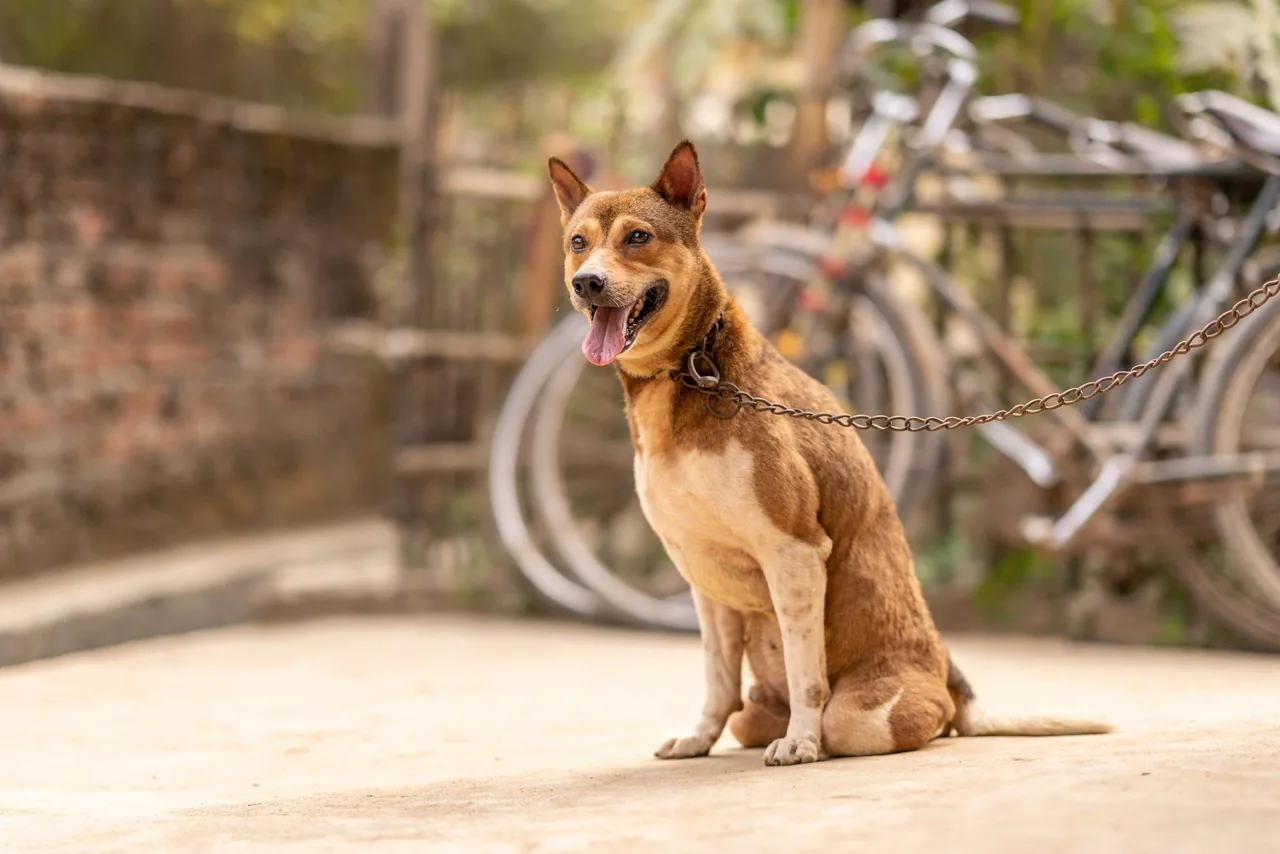
Because wheels do two things dogs find hard to ignore: they move fast and erratically, and they can appear out of nowhere with a strange rumble. To a dog, a skateboarder is a large, noisy thing rushing straight at them — worth barking at to drive away, or worth chasing because it’s fleeing.
The movement is the key. A parked bike is boring; a moving one flips a switch. That’s why the same dog can be fine at the bike rack and lose it the instant the pedals turn.
Under-socialized dogs and herding or working breeds often react most — herders are wired to control movement, and a dog who never met skateboards as a puppy files them under “unknown and alarming.”
Is it fear, or is it the chase instinct?
It’s usually a mix, and telling them apart helps you set expectations. A fearful dog wants distance: barking and lunging to make the scary wheels go away, often with a low, backing-off body or hackles up. A predatory dog wants to catch: a hard stare, a low crouch or stalk, then an explosive chase, often silent rather than barky.
The tells live in the body, so learning to read your dog’s early signals — the freeze, the locked-on stare, the crouch — is what lets you act a beat before the launch.
The good news: both respond to the same core work. Fear needs the wheels to start predicting good things; chase needs distance, impulse-control, and a better outlet. Distance and reward-based practice serve both.
How do I train a dog reactive to wheels?
Work under threshold — the golden rule of all reactivity. Find the distance at which your dog can see a bike or skateboard and still eat a treat and listen; that’s your starting line. Too close and the thinking brain is offline, and you’re just rehearsing the meltdown.
At that distance, the moment a wheeled thing appears, feed a stream of great treats, and stop when it passes. Over many reps, the dog’s brain rewrites “wheels = alarming” into “wheels = chicken appears.” Then you close the distance slowly, only as fast as your dog stays relaxed. It’s the same method as helping any leash-reactive dog: distance first, good associations second, patience throughout.
Add an escape hatch and an alternative behavior: a cheerful “let’s go!” U-turn to create space, and a trained “find it” treat scatter or a hand-target that gives the dog something to do besides chase. Manage the gear too — a well-fitted harness with a front clip and a non-retractable leash give you control without adding pain, which matters because a dog can be calm off-leash but explosive on it when the leash blocks their instinct to move away.
What do I do when a skateboard surprises us mid-walk?
Manage the moment; don’t train in a crisis. When something fast appears too close, your job is damage control, not a lesson.
Calmly increase distance — step behind a parked car, cross the street, or do a quick U-turn — and feed treats to keep your dog with you. Body-block if you have to, putting yourself between your dog and the wheels. Scatter a handful of treats on the ground; sniffing lowers arousal and breaks the visual lock. The goal is simply to get through it without a full-blown chase or lunge, because every one of those makes the next harder.
Should I just let my dog chase it to “get it out of their system”?
No — this backfires, and it’s a safety and liability problem. Chasing is self-rewarding: it feels great, so letting a dog do it makes the behavior stronger and more compulsive, not calmer. A dog who catches a skateboarder or cyclist can hurt someone and land you in real legal trouble, and a chase near traffic can be fatal for the dog.
Give the drive a legal outlet instead — flirt poles, fetch, sniffy games, and structured “chase this toy” — so the need to chase gets met somewhere safe.
When should I get professional help?
Distance-based practice resolves a lot of wheel reactivity at home. This is educational content, not veterinary advice — and there are clear reasons to bring in help.
See your vet first if the reactivity is sudden or worsening; pain and thyroid or vision problems can lower a dog’s tolerance. Then work with a credentialed, reward-based professional — a certified trainer (CCPDT), a behavior consultant (IAABC), or a veterinary behaviorist (DACVB) — if your dog has strong predatory drive, has made contact or bitten, reacts to children on bikes, or is big and powerful enough that a lunge could hurt you or someone else. A pro can also fit and coach you on a basket muzzle as a safety net while you train.
Wheel reactivity untangles the same way all reactivity does — enough distance to stay calm, good things paired with the trigger, and never letting the chase pay off. Our Reactive Dog Toolkit lays out that force-free plan step by step — thresholds, counterconditioning, and a tracker to see the progress. Pair it with the Dog Body Language Chart Pack to catch the stare-and-crouch before the chase fires. Keep your distance, keep it positive, and let the wheels start predicting chicken.
Frequently asked questions
- Will my dog grow out of chasing bikes?
- Rarely on its own — chasing is self-rewarding, so left unmanaged it tends to get stronger, not weaker. What changes it is preventing the rehearsal (managing distance) while teaching a new association and a legal outlet for the drive. Started early and kept consistent, most dogs improve a lot.
- My dog is fine with parked bikes but not moving ones — why?
- Because movement is the trigger, not the bike. A still bike gives the eyes and the chase instinct nothing to lock onto; a moving one flips the switch. That's actually useful: you can build calm around stationary wheels first, then add slow movement at a big distance and work closer over time.
- Is a dog chasing skateboards being aggressive?
- Not usually — most wheel-chasing is fear or predatory drive, not an intent to harm people. But the outcome can still be dangerous if the dog makes contact, so it's treated seriously regardless of the motive: manage distance, never let the chase succeed, and get help for strong predatory drive or any biting.
- Should I use a shock or vibration collar to stop the chasing?
- No. Aversive collars add pain and fear to a situation that's often already fear-driven, and AVSAB and the AVMA advise against them — they can suppress the bark while leaving the underlying drive, or make a fearful dog worse. Distance, counterconditioning, and a legal chase outlet are more effective and can't backfire into fear or aggression.
Educational content only — not veterinary or professional behavior advice. Consult your vet, or a certified trainer or behaviorist, for your pet. Read the full disclaimer →