Is Poinsettia Toxic to Dogs and Cats?
Poinsettia has the worst reputation of any Christmas plant and one of the mildest effects. It is toxic to dogs and cats, but the trouble is usually a sore mouth and an upset stomach.
On this page
Yes, poinsettia is toxic to dogs and cats, but only mildly. The ASPCA lists it as toxic to both and describes it as “irritating to the mouth and stomach, sometimes causing vomiting, but generally over-rated in toxicity.” Pet Poison Helpline rates the toxicity as mild for dogs and for cats.
What happens if a dog or cat chews a poinsettia
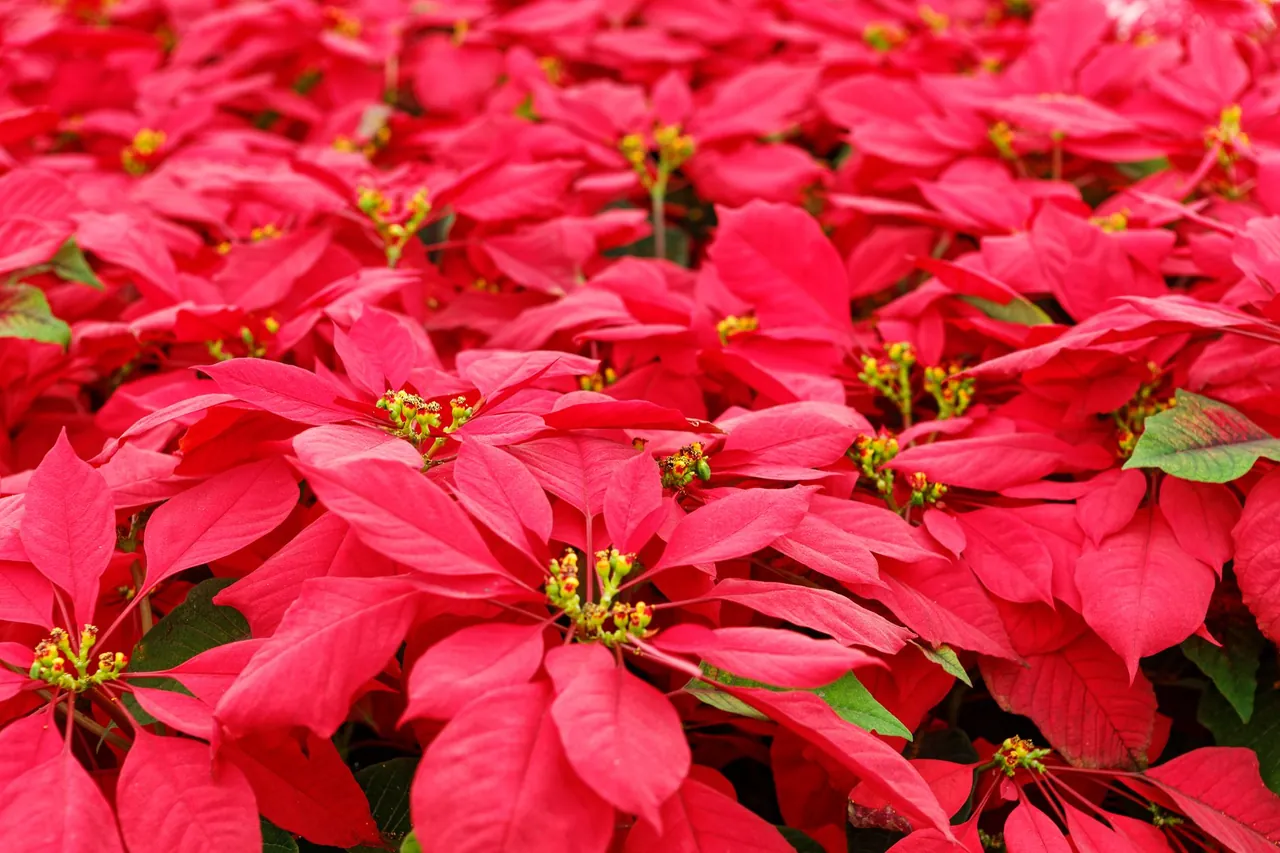
Poinsettia (Euphorbia pulcherrima) carries “Irritant sap” as its toxic principle on the ASPCA entry. Pet Poison Helpline explains that the milky white sap contains chemicals called diterpenoid euphorbol esters and saponin-like detergents. The Merck Veterinary Manual sums up the effect: the sap “irritates mucous membranes and causes excessive salivation and vomiting but not death.”
Pet Poison Helpline’s list of signs to watch for:
- Drooling
- Licking the lips
- Vomiting
- Diarrhea, which it says is rare
- Skin irritation where the sap touched: redness, swelling and itching
- Eye irritation, which is rare and mild
The ASPCA’s holiday page puts the stomach effect at “mild to moderate gastrointestinal irritation.” Cats and dogs get the same signs, and Pet Poison Helpline rates both as mild.
Why poinsettia has a bigger reputation than it deserves
Pet Poison Helpline is blunt about it: poinsettias are “commonly ‘hyped’ as poisonous plants,” but “they rarely are, and the poisoning is greatly exaggerated.” It adds that signs “are generally self-limiting and typically don’t require medical treatment unless severe and persistent,” and that there is no antidote, which matters little given how mild the effects usually are.
That doesn’t make it a chew toy. The ASPCA’s plant list notes that eating any plant material may cause vomiting and stomach upset in dogs and cats, so a pet that works through a whole poinsettia can still have a rough day.
What to do
- Take the plant away and note roughly how much was eaten. Rinse sap off the skin or fur with water.
- Let the stomach settle. The FDA suggests picking up the food and water dishes for a couple of hours after a pet eats poinsettia leaves.
- Call if it’s more than mild: your vet, ASPCA Animal Poison Control (888) 426-4435 or Pet Poison Helpline (855) 764-7661 (a fee may apply). Call right away if the vomiting is severe or won’t stop, if your pet seems weak or unwell, or if you aren’t certain the plant was a poinsettia.
- Check the rest of the arrangement. Poinsettias often come in mixed holiday bouquets, and the other stems can be the real problem.
Keep the numbers on the free pet poison emergency card, and see my guide to what to do if your dog ate something toxic for the first ten minutes of any exposure.
The Christmas plants that deserve more respect
Pet Poison Helpline calls bouquets containing lilies, holly or mistletoe “far more worrisome” than poinsettia. For cats, true lilies are the emergency: a small amount of leaves, pollen or petals can cause sudden kidney failure (lilies and cats). The ASPCA says mistletoe and holly can cause stomach upset and cardiovascular problems. Amaryllis, holly and mistletoe are all in my Christmas foods and plants guide.
If you want a plant with no warning attached, the ASPCA lists Christmas cactus as non-toxic to dogs, cats and horses. The spider plant is another easy, non-toxic choice. Whatever you keep, put it above chewing height; the puppy-proofing checklist helps you find the low spots before the decorations go up, and my guide to dog-proofing the Christmas tree covers the rest of the living room.
Frequently asked questions
- How much poinsettia is dangerous for a dog or cat?
- There is no published amount, and Pet Poison Helpline notes that the size of the animal and the amount eaten both change what is toxic for a particular pet. What the sources agree on is the ceiling: the Merck Veterinary Manual says the sap irritates the mouth and causes drooling and vomiting 'but not death,' and Pet Poison Helpline says medical treatment is rarely needed unless the signs are severe.
- Is poinsettia sap dangerous to touch?
- It can irritate. Pet Poison Helpline says the milky sap can cause redness, swelling and itching on the skin, and, rarely, mild irritation if it gets in the eyes. Rinse it off your pet's skin or fur with water, and call your vet if the irritation doesn't settle.
- Which Christmas plants are worse than poinsettia?
- Pet Poison Helpline calls holiday bouquets with lilies, holly or mistletoe 'far more worrisome' than poinsettia. Lilies can cause sudden kidney failure in cats from a small amount of leaves, pollen or petals, and holly and mistletoe can cause stomach upset and, the ASPCA adds, cardiovascular problems. My Christmas foods and plants guide covers each one.
- Is a Christmas cactus safe for pets?
- The ASPCA lists Christmas cactus (Schlumbergera bridgesii, also called Easter cactus) as non-toxic to dogs, cats and horses. The ASPCA also notes that eating any plant material can cause vomiting and stomach upset, so a pet that chews a lot of it may still be sick for a while.
Educational content only — not veterinary or professional behavior advice. Consult your vet, or a certified trainer or behaviorist, for your pet. Read the full disclaimer →