Day of the Dead With a Dog: A Pet-Safe Ofrenda
The ofrenda is the most beautiful part of the season, and it is also a table of chocolate, bread, alcohol, salt and candles at a dog's nose height. Here is how I set one up so the dog and the tradition share the house without a scare.
On this page
A Day of the Dead ofrenda is safe for your dog if you build it out of reach, put the chocolate, bread, sweets, drinks, coffee and the dish of salt on the high levels, and never leave the dog alone with a lit candle. The cempasúchil marigolds are the least of it: Pet Poison Helpline rates them as mildly toxic. If your dog eats something from the ofrenda, call your vet or the nearest emergency clinic. In the US you can also call ASPCA Animal Poison Control (888) 426-4435 or Pet Poison Helpline (855) 764-7661 (a fee may apply).
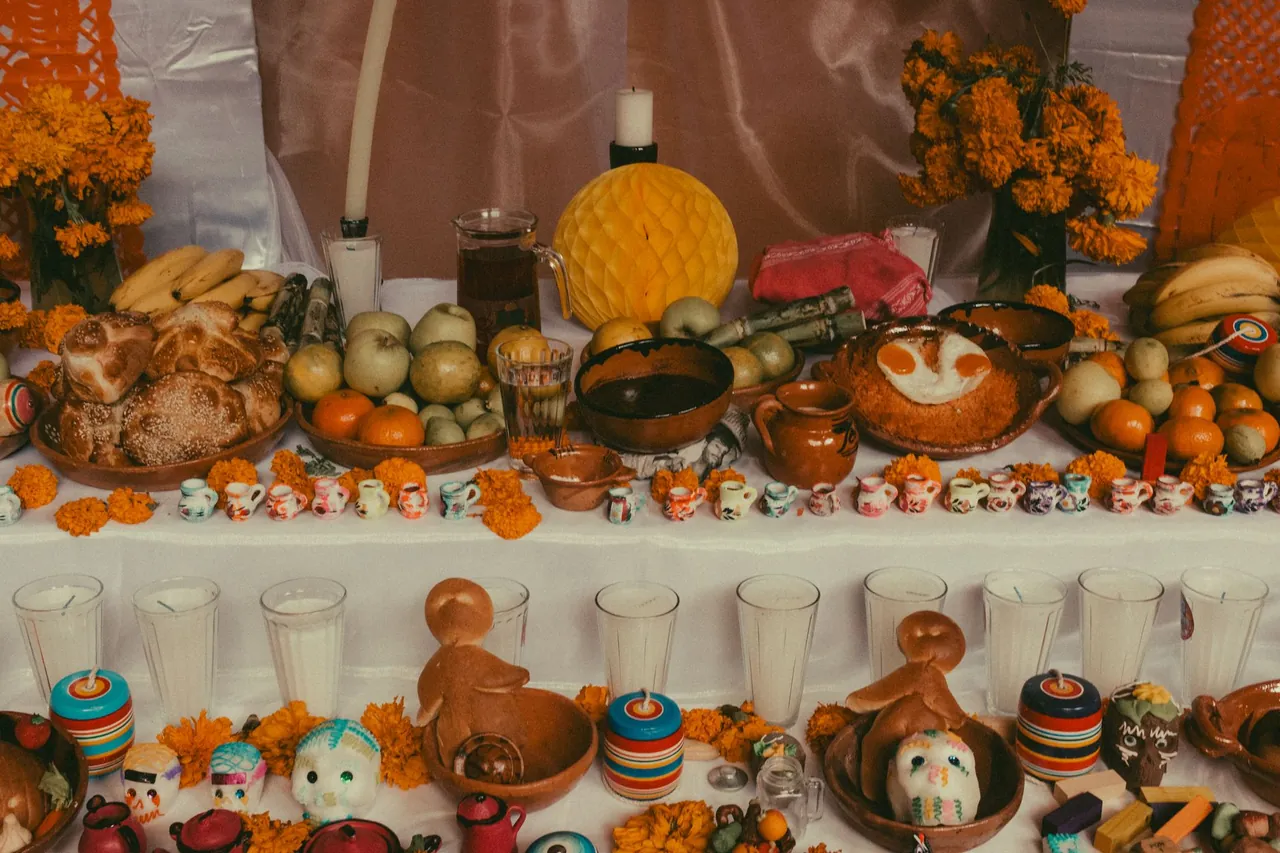
Día de Muertos (November 1 and 2) is built around the ofrenda, the home altar of photos, flowers, candles and the foods and drinks the family’s dead loved. It goes up just as the house is at its fullest: visitors, cooking, children knocking to ask for their calaverita, and in many places Halloween in the same week. This guide goes level by level, from what worries me most to what worries me least.
The food: chocolate, bread, sweets and the family dishes
- Chocolate. Mexican table chocolate, champurrado and hot chocolate all count. The ASPCA explains that chocolate, coffee and caffeine contain methylxanthines, which can cause vomiting, diarrhea, panting, excessive thirst and urination, hyperactivity, an abnormal heart rhythm, tremors, seizures and even death, and that the darker the chocolate, the greater the risk. The free chocolate toxicity calculator helps you gauge the risk while you call.
- Pan de muerto and sweet bread. The AVMA advises keeping sweets and baked goods out of reach because they are often too rich for pets and may contain xylitol, a sweetener linked to liver failure and death in dogs. Filled or chocolate-covered bread adds the chocolate risk.
- Sugar skulls and candy. Chocolate skulls are chocolate. “Sugar-free” candy deserves a label check: the FDA warns that xylitol turns up in candy, chewing gum and baked goods. My guide to xylitol covers the signs.
- Mole, tamales and stews. The AVMA warns that table scraps, especially meat fat, skin and sauces, can cause pancreatitis, and the ASPCA says onion, garlic and chives can damage red blood cells. The AVMA advises throwing anything used to wrap or tie meat, such as strings, bags and packaging, into a closed trash can, and I treat tamale husks the same way: they are wrapping, not food. More in can dogs eat mole?
- Fruit. If there are grapes or raisins on the ofrenda, move them up: the ASPCA warns they can cause kidney damage in dogs (grapes and raisins).
The drinks: tequila, mezcal, pulque, beer and coffee
The ASPCA says alcoholic drinks can cause vomiting, diarrhea, incoordination, depression, difficulty breathing, tremors, coma and even death, and that alcohol is absorbed quickly, so veterinary care should be sought right away. A glass on the lowest level of the ofrenda sits at exactly tongue height. Coffee is the other glass to move up, for the same methylxanthines as chocolate (coffee and dogs). More on alcohol in can dogs drink alcohol?
If someone sets out cigarettes for a loved one, put them on the top level. Pet Poison Helpline describes nicotine as a rapidly acting toxin with a narrow safety margin for pets, which can cause vomiting, heart-rate changes, tremors, collapse and even death.
The dish of salt
Salt is part of the tradition, and it is also a real danger to a dog. The FDA puts it in numbers: a 10-pound pet (about 4.5 kg) can get sick after eating just ½ teaspoon of table salt, and 1½ teaspoons can be fatal. The ASPCA says too much salt can cause vomiting, diarrhea, depression, tremors, seizures and even death. Put the salt on the top level or use a dish with a lid.
Candles and copal
The AVMA says candles and oil lamps are attractive to pets as well as people, and that you should never leave a pet alone in an area with a lit candle or lamp, because it could start a fire. The ASPCA adds that a wagging tail can knock a candle over and burn the pet. I treat a copal burner like a candle: high, stable and watched.
Cempasúchil and the flowers
The flower of the season is one of the least dangerous parts. Pet Poison Helpline says cempasúchil and other marigolds of the Tagetes genus may cause mild irritation of the digestive tract if eaten, and that the sap may irritate the skin; it rates the toxicity as mild for dogs and cats. Pot marigold (Calendula officinalis) is considered non-toxic.
The practical risk is the petal path: it lies on the floor, where a young dog eats petals out of curiosity. Start the path where the dog doesn’t walk, or keep it on the ofrenda itself, and sweep up loose petals at the end of the day.
How to set up an ofrenda with a dog in the house
- Height or a door. A high table in a room you can close is the simplest setup. If the ofrenda has to be in the living room, a baby gate around it works the same way it does for a Christmas tree.
- Dangerous things up, harmless things down. Photos, papel picado and flowers can go on the low levels; food, drinks, salt and candles go on the high ones.
- Candles only with someone in the room. Blow them out when you leave, even for a minute.
- At the end of the day, into a closed container. The AVMA advises clearing food from tables once you’re done with it and putting the trash where your pet can’t reach it.
- Give the dog a plan of their own. A mat in the room with a stuffed food toy gives the dog something to do while the family is at the ofrenda. My guide to cues to teach before the holidays walks through “leave it” and the mat step by step.
If your dog gets anxious when the door keeps knocking, my trick-or-treat and doorbell guide works just as well for the week of the calaveritas.
An ofrenda for a pet who has died
Many families now also set an ofrenda for pets who have died. Mexican newspapers such as Vanguardia and La Crónica report that many families have adopted October 27 to remember them, and point out that the date isn’t part of the traditional calendar. A pet ofrenda usually holds the animal’s photo, favorite kibble or treats, water, toys and cempasúchil. If another dog lives with you, keep the kibble and treats in a closed jar or up high, and use the same candle rules.
If your dog ate something from the ofrenda
Move the dog away, work out what was eaten and roughly how much, and keep the packaging or the recipe. Call your vet or the nearest emergency clinic right away. The AVMA’s first-aid brochure says not to induce vomiting or give any medication unless a veterinarian or poison control center tells you to. My guide to what to do if your dog ate something toxic covers the first ten minutes, the Can My Dog Eat This? chart sums up the foods, and the pet poison emergency card keeps the numbers on the fridge.
Frequently asked questions
- Are marigolds (cempasúchil) toxic to dogs?
- Only mildly. Pet Poison Helpline says marigolds of the Tagetes genus, which includes cempasúchil, may cause mild irritation of the digestive tract if eaten, and that the sap may irritate the skin; it rates the toxicity as mild for dogs and cats. Pot marigold (Calendula officinalis) is considered non-toxic. If your dog eats a lot of flowers and vomits more than once, call your vet.
- Can my dog eat pan de muerto?
- Better not. The AVMA advises keeping sweets and baked goods away from pets because they are often too rich for them and may contain xylitol, and filled or chocolate-covered versions add the chocolate risk. A crumb of plain bread is rarely an emergency, but it isn't a treat: give your dog something made for dogs.
- What goes on an ofrenda for a dog who has died?
- The things they loved: their photo, collar, a toy, their favorite kibble or treats and water, which is what the Mexican newspapers that cover the custom describe. If another dog lives in the house, keep the kibble and treats in a closed jar or on a high level, and follow the same candle rules as the family ofrenda.
- What should I do if my dog ate something from the ofrenda?
- Move the dog away, work out what was eaten and roughly how much, and call your vet or the nearest emergency clinic right away. In the US you can also call ASPCA (888) 426-4435 or Pet Poison Helpline (855) 764-7661 (a fee may apply). Don't induce vomiting or give home remedies unless a veterinarian tells you to; that is the AVMA's advice for any poisoning.
Educational content only — not veterinary or professional behavior advice. Consult your vet, or a certified trainer or behaviorist, for your pet. Read the full disclaimer →