6 Cues to Teach Your Dog Before the Holidays
Halloween, Day of the Dead, Thanksgiving, Christmas and New Year's Eve ask the same things of a dog: ignore the food, give back what they grabbed, stay calm when the bell rings, and don't bolt out the door. Six cues cover it, and you can start this week.
On this page
- 1. Leave it: ignore what’s on the floor
- 2. Drop it: trade for what’s already in the mouth
- 3. Go to your mat: a place to be when guests arrive
- 4. Settle: an off switch in a busy room
- 5. Wait at the door: the cue that prevents a lost dog
- 6. Come: the cue you hope you never need
- How to fit this into the next few weeks
The six cues that make the holidays easier are leave it, drop it, go to your mat, settle, wait at the door and come. Together they cover the moments that cause most holiday trouble: food on the floor, a stolen cookie, a ringing doorbell, a crowded room and an open front door. Teach each one with rewards, starting somewhere quiet, and keep the house set up so the dog can’t fail while you practice.
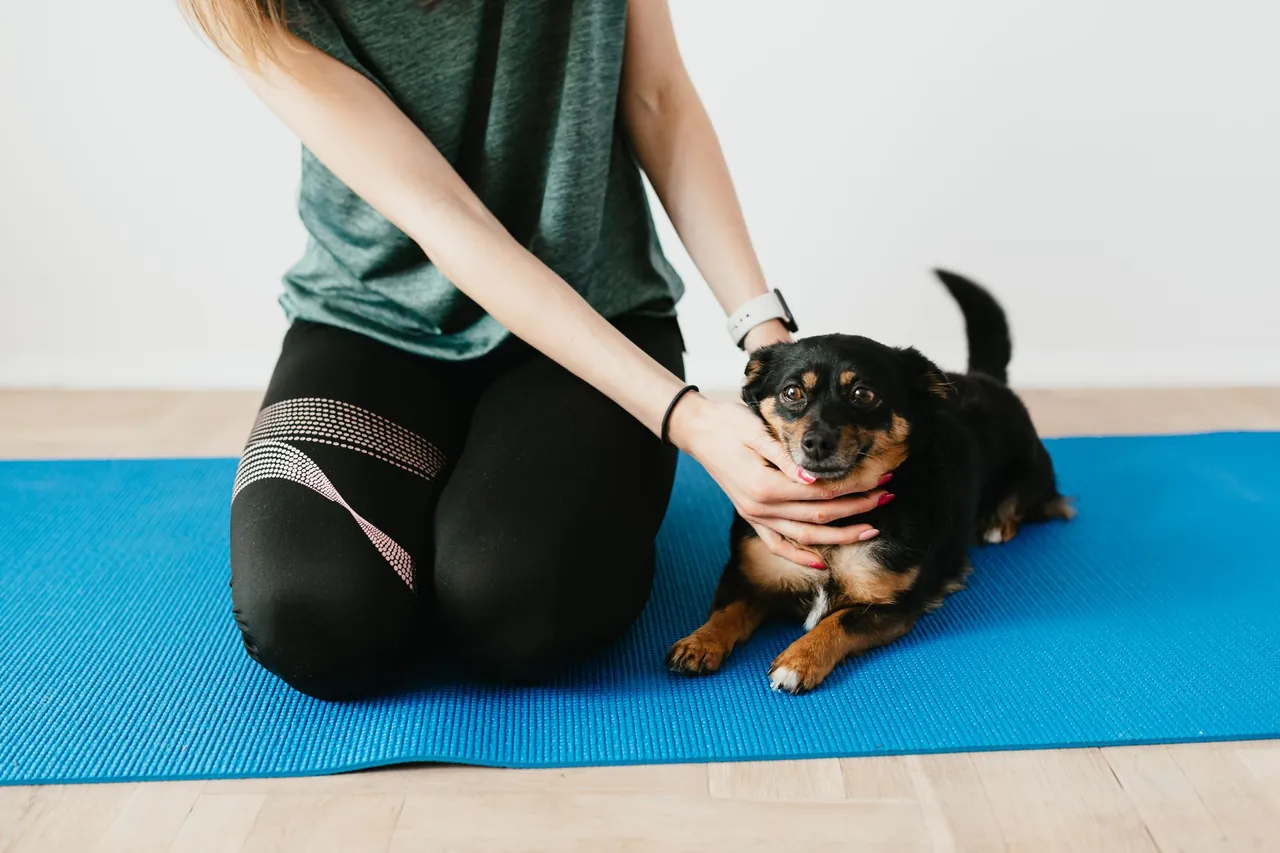
On method: the AVSAB, the American Veterinary Society of Animal Behavior, states that “evidence supports the use of reward based methods for all canine training.” Everything below is built that way.
1. Leave it: ignore what’s on the floor
This is the cue for the dropped chocolate, the fallen pill and the bone on the carpet. The AKC builds it in stages:
- Hold a treat in your fist. Let your dog sniff and paw. The moment they stop trying, mark it (“yes”) and reward with a different treat from your other hand.
- Repeat with the treat on your open palm, closing your hand if they go for it.
- Move to the floor: cover a treat with your hand, reward the dog for backing off, then slowly uncover it.
- Put the dog on a leash and use your foot to cover the food, then say “leave it” just before you drop something.
- Walk your leashed dog past a row of low-value treats, rewarding each one ignored with something better.
The AKC’s point is that the floor treat is never the reward, because “dropped medication will never be up for grabs.” For the holidays, finish by practicing beside the tree, the coffee table and the kitchen.
2. Drop it: trade for what’s already in the mouth
Leave it fails sometimes, so you need a backup. The AKC teaches “drop it” as a trade:
- Give your dog a low-value toy. Put a high-value treat in front of their nose.
- When they let go, mark it and give the treat. Pick up the toy while they eat, then give it back and repeat.
- When they drop the toy as soon as they see the treat, add the word “drop it,” “trade” or “out” just before you show the treat.
- Then say the word with no treat in sight, and give a jackpot (several treats in a row) when they drop.
The AKC adds two warnings that matter in a busy house: don’t chase your dog, which turns grabbing into a game and raises the chance they swallow the item, and never pry their mouth open. If your dog already guards objects, the AKC says to work with a trainer or behaviorist before doing this exercise.
3. Go to your mat: a place to be when guests arrive
A mat (or bed) the dog loves gives them something to do instead of jumping on guests or begging at the table. The AKC’s method:
- Show the mat and reward any interest in it, placing the reward on the mat.
- Shape it until all four paws are on the mat, then add a release word (“free”) and toss a treat off the mat without rewarding the exit.
- Ask for a down on the mat and reward.
- Build duration, then distance, then distraction, one at a time.
- Add your cue (“mat” or “place”) last.
Then connect it to the door. The AKC’s doorbell manners start by ringing the bell while your dog eats a treat, then ringing first and treating right after, until the sound predicts something good. After that, the bell becomes the cue to go to the mat. The AKC suggests keeping a treat jar by the door for real visitors. If your dog’s doorbell reaction is fear rather than excitement, my trick-or-treat and doorbell guide has a gentler plan.
4. Settle: an off switch in a busy room
“Settle” is relaxing at your feet while your attention is elsewhere, which describes most of a holiday dinner. The AKC’s version:
- With your dog leashed to you in a quiet room, ask for a down and calmly praise and treat.
- Keep praising and feeding small pieces while they stay down. If they get up, say nothing and stop treating.
- Add a word like “settle” or “relax,” then vary how often you treat and lengthen the time before the release.
- Move to busier places: the yard, the porch, then a room where people are talking.
The AKC also teaches settling through play: in the middle of a gentle game, stop and wait for a sit or down, then restart the game as the reward (impulse control games). It’s a good way to practice calming down after excitement, which is exactly what a doorbell does.
5. Wait at the door: the cue that prevents a lost dog
The AVMA’s holiday advice is to “watch the exits,” because while you’re welcoming guests and collecting coats, a dog “may make a break for it out the door and become lost.” The AKC’s door game teaches the dog that waiting is what opens the door:
- Start at an inside door. Once your dog settles, open the door a crack. If they move toward it, close it.
- Repeat until they back away or stay still, then open it a little more each time, closing it whenever they move toward it.
- When you can open it fully, give your release word and let them through.
Practice at the front door with the leash on before you try it with guests. On the night itself, a gate or a closed room is your real safety net; my Halloween safety guide covers the ID and microchip check that goes with it.
6. Come: the cue you hope you never need
If the door does get opened, a reliable recall is what brings your dog back. I won’t repeat the whole method here: my guide to teaching a reliable recall covers building it where it’s easy, paying every recall well, and keeping a separate emergency word. The free recall training log tracks the practice.
How to fit this into the next few weeks
- Pick two first. For most homes, that’s leave it and the mat. Add the others as those get easy.
- Keep sessions short and stop while your dog is still succeeding. The AKC’s advice on the mat applies to every cue here: if your dog is struggling, “you’ve likely gone too far too fast,” so go back a step.
- Rehearse the real thing. Ask a friend to ring the bell, put a plate of crackers on the coffee table, drop a coat on a chair.
- Keep management on the day. Practice makes the day easier; it doesn’t replace the gate, the quiet room or the food on high counters. The AVMA recommends a room or crate away from the commotion that your pet can go to anytime.
The free dog commands chart keeps your cue words consistent for everyone in the house, and the body language decoder helps you spot when your dog has had enough. My guide to dog-proofing the Christmas tree puts leave it and the mat to work in the living room.
Frequently asked questions
- How long does it take to teach a dog 'leave it' before the holidays?
- It depends on the dog, and none of the training sources I use put a number on it. The AKC's method moves in small stages, from a treat in your fist to food on the floor to walking past food on a leash, and it advises going back a step whenever the dog struggles. Start now, and keep food out of reach on the day itself whatever stage you reach.
- What is the difference between 'leave it' and 'drop it'?
- 'Leave it' is for something your dog hasn't picked up yet: ignore it and look to you. 'Drop it' is for something already in the mouth: let go of it in exchange for something better. The AKC calls them equally important, because you won't always see the dropped pill or the chocolate before your dog does.
- My dog goes wild at the doorbell. Where do I start?
- Start with the sound, not the door. The AKC's doorbell method rings the bell while your dog is eating a treat, then rings first and treats right after, until the sound predicts something good. Then the bell becomes the cue to go to the mat. If your dog is anxious or reactive rather than just excited, my trick-or-treat and doorbell guide has a slower plan.
- Should I punish my dog for grabbing food during holiday parties?
- No. The AKC warns that chasing a dog or prying its mouth open can make it more likely to swallow the item and can lead to resource guarding, and the AVSAB says evidence supports reward-based methods for all dog training. Trade for the item with something better, and change the setup so the food is out of reach next time.
Educational content only — not veterinary or professional behavior advice. Consult your vet, or a certified trainer or behaviorist, for your pet. Read the full disclaimer →