How to Read Your Dog's Body Language: Calming Signals, the Warning Ladder, and the Whole-Dog Picture
A plain-language guide to what your dog is telling you, before a growl ever happens.
On this page
Your dog talks all day. Most of it is quiet, and most new owners miss it. Learning to read body language is one of the most useful things you can do early on. According to the American Veterinary Society of Animal Behavior (AVSAB), behavioral issues, not infectious diseases, are the leading cause of death for dogs under three years old. Many of those issues start as small, readable signals that nobody noticed. This is a calm, plain guide to noticing them.
A quick, honest note before we start: this is educational, not veterinary or behavioral advice. For aggression, bites, or sudden changes in behavior, talk to your veterinarian or a credentialed behavior professional.
Read the whole dog, not one part
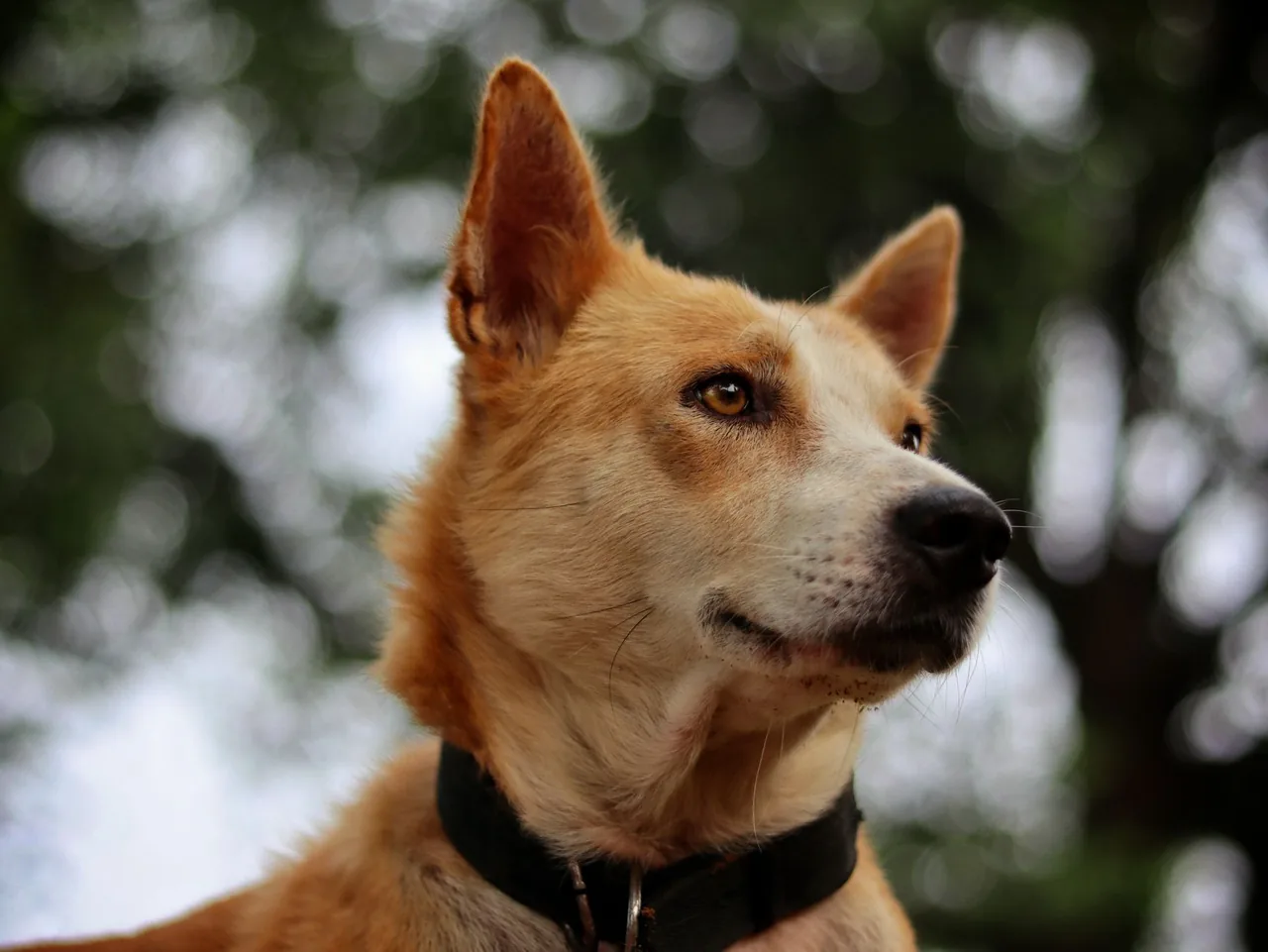
There is no single signal that tells the whole story. A wag, an ear flick, a glance away — each one only makes sense in context. VCA Animal Hospitals describes canine posture as a full picture: the body, tail, ears, eyes and mouth read together.
A relaxed dog is loose and soft, tail neutral or gently wagging, mouth slightly open. A playful dog drops its front end with its rear up — a play bow that says “everything after this is play.” An alert dog shifts its weight forward, tail high, ears forward. A fearful dog does the opposite: low and retreating, weight shifted back, ears back, head low, often looking away.
One detail worth knowing: raised hackles (the ridge of fur along the back) signal arousal, not necessarily aggression, per VCA. So look at the rest of the dog before you decide what it means.
The ladder of warnings
Dogs almost never bite “out of nowhere.” They climb a ladder of signals, bottom to top, and every rung is your chance to give space. This model comes from Kendal Shepherd’s “Ladder of Aggression,” published in the BSAVA Manual of Canine and Feline Behavioural Medicine.
Read it from the bottom up. The lowest rungs are calm and easy to miss: blinking, yawning, licking the nose, turning the head away, turning the body away, sitting, walking away. Higher up come the stress signs: creeping with ears back, crouching with the tail tucked, lying down with a leg up, stiffening and staring. Near the top are the growl, the snap, and finally the bite.
Here is the part that matters most. A growl is information, not disobedience. It is one of the last warnings before a bite. Punish the growl and you don’t remove the fear — you remove the warning, and the dog learns to skip it. AVSAB’s position on humane training is the reason this guide never recommends punishing a warning. When you see a growl, snap, or stare, step back and give space. Your real job lives on the bottom rungs, where responding early means your dog rarely needs the top of the ladder.
The ladder is a model, not a script. Dogs can skip rungs, especially if their early signals were punished in the past.
The quiet vocabulary: calming signals
Turid Rugaas documented roughly 28–29 signals dogs use to defuse tension, with other dogs and with us. Once you start looking, a handful show up every day: a head turn or look-away that breaks social pressure, a quick nose or lip lick, an out-of-context yawn when the dog isn’t sleepy, a sudden ground sniff that says “I need a second,” slowing down or walking away, or a full-body shake-off that works like a reset button after stress.
These aren’t stubbornness or bad manners. They are your dog being polite and asking for a little room. The clinical literature sometimes calls them “displacement” or “appeasement” signals — the labels differ, the behaviors don’t.
The face and the tail, the two most misread parts
The face leaks stress earliest, long before a growl. A soft, loose face with easy eyes is the one you want. Watch for “whale eye” — eyes cut to the side showing a white half-moon while the head barely turns. That’s stress; give space. A hard stare with a tight, closed mouth is a late-ladder warning: don’t lean in or stare back.
And the tail. A wagging tail is not a smile — it reports arousal, not happiness. A high, stiff, fast flick can mean excitement or trouble, so check the rest of the body. A mid-height, loose, sweeping wag is the comfortable one. A low, slow wag signals uncertainty. A tucked tail is fear. The science backs the nuance: dogs wag with a right-side bias toward things they like and a left-side bias toward things that worry them (Quaranta, Siniscalchi & Vallortigara, Current Biology, 2007). You won’t catch the direction in real time — the point is that a wag carries emotion in both directions.
Make it a habit
Try the simplest version: spend one week just noticing, no fixing. Count the lip licks and yawns you never saw before. When you spot yellow signals — lip licks, yawns, head turns, ears back, a low slow wag — give your dog distance or an exit, and let it choose to come back. Green means keep going; red means stop, back away calmly, and let an adult handle it. These same early signals are exactly what you act on when helping a leash-reactive dog, and they explain why a dog can melt down on leash but stay calm off it. (For kids and dogs, AVMA dog-bite-prevention guidance is a good place to read further.) And if you’re weighing whether a dog has the steady, unflappable temperament for public work, this same reading skill is where that honest assessment starts — it’s the first thing we cover in how to train your own service dog.
If you’re still in the early days with a new dog, our First-Time Dog Owner Guide folds this kind of calm, sourced reading into the bigger picture of settling in — what to watch for, how to respond, and where to get help. Your dog never stopped talking. This is how you start listening.
Frequently asked questions
- Does a wagging tail always mean my dog is happy?
- No. A wag reports arousal, not happiness. A high, stiff, fast wag can signal excitement or trouble, a low slow wag signals uncertainty, and a tucked tail is fear — so read the whole dog, not just the tail. Research even shows dogs wag with a right-side bias toward things they like and a left-side bias toward things that worry them (Quaranta et al., Current Biology, 2007).
- Should I punish my dog for growling?
- No. A growl is information, not disobedience — it is one of the last warnings before a bite. Punishing the growl doesn't remove the fear, it removes the warning, and the dog learns to skip straight to snapping. AVSAB's position on humane training is the reason: when you hear a growl, add distance instead of discipline.
- What is 'whale eye' in dogs?
- Whale eye is when a dog's eyes cut to the side and show a white half-moon while the head barely turns. Per VCA, it is a stress signal rather than a quirk — it usually means your dog feels cornered or uneasy, and the kind response is to give space instead of leaning in.
- What are calming signals?
- Calming signals are the quiet behaviors dogs use to defuse tension, documented by Turid Rugaas — a head turn or look-away, a quick nose or lip lick, an out-of-context yawn, a sudden ground sniff, slowing down, or a full-body shake-off after stress. They aren't stubbornness or bad manners; they're your dog being polite and asking for a little room.
Educational content only — not veterinary or professional behavior advice. Consult your vet, or a certified trainer or behaviorist, for your pet. Read the full disclaimer →