Why Does My Dog Growl at Me?
A growl is your dog's way of saying 'please stop' before things go further. It can feel personal, but it's information, and keeping that warning intact is one of the safest things you can do.
On this page
A growl is communication: your dog is telling you it’s uncomfortable and may escalate if whatever is bothering it doesn’t stop. The AKC lists play, feeling trapped, guarding something valued, pain, and warning another dog away as common reasons. The most important rule, shared by VCA, the AKC and the ASPCA: never punish the growl.
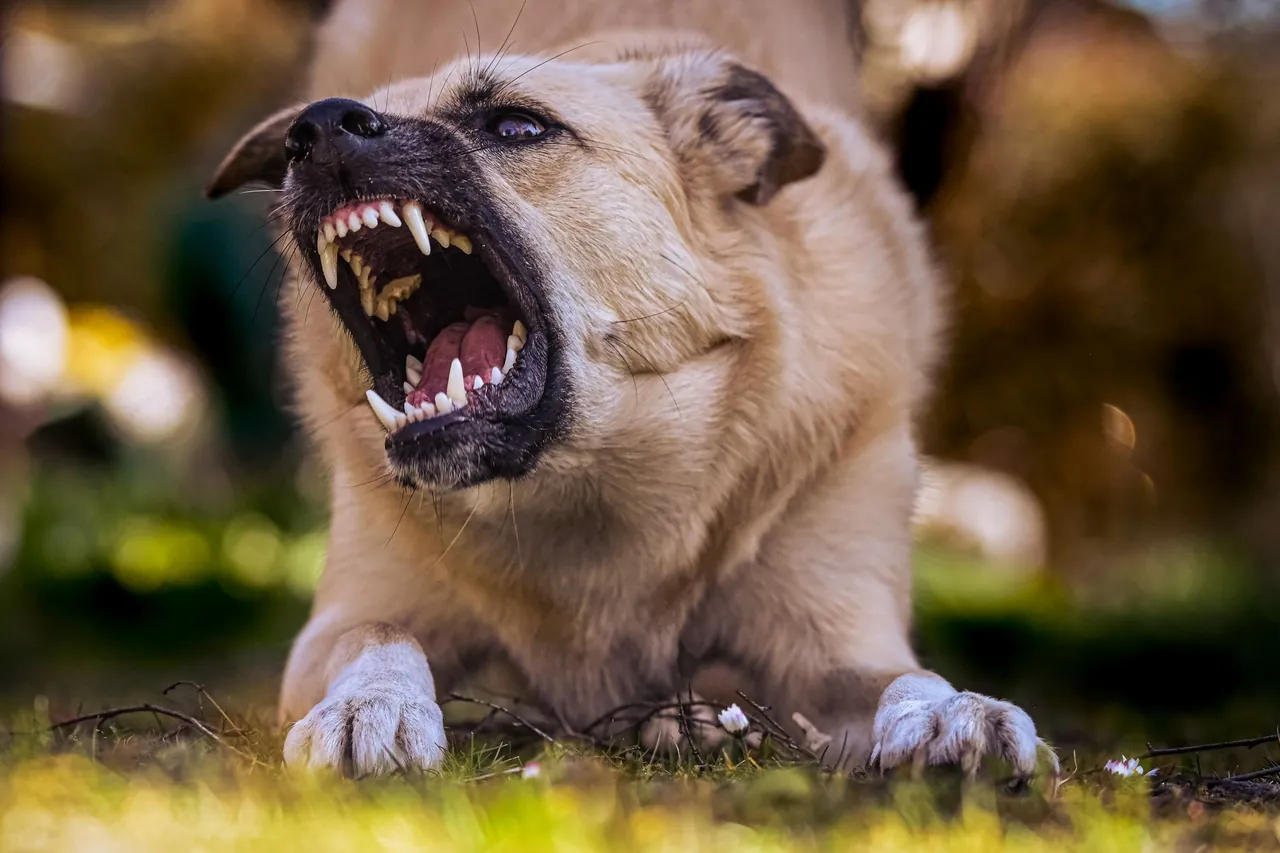
What your dog is telling you
The AKC’s list of reasons dogs growl:
- Play. Some dogs grumble and growl simply because they’re having fun.
- Feeling trapped or cornered.
- Guarding something they value, such as food or a toy (food-bowl guarding).
- Injury or pain.
- Warning another dog away.
VCA describes a warning growl, snarl or snap as a held-back form of communication: the dog is showing what it may do if the trigger doesn’t retreat. The ASPCA adds that dogs rarely bite without some warning first, and that dogs who stop at showing teeth, growling or snapping are significantly safer than dogs who bite. The rest of the body tells you a lot too: see how to read your dog’s body language, or try the free body-language decoder.
Why you should never punish a growl
Here’s what punishing a growl actually does, according to the sources:
- It removes the warning, not the feeling. The AKC says punishment may stop the sound but not the emotion behind it.
- It teaches your dog to skip steps. VCA explains that a dog corrected for growling, snarling or snapping learns to drop those safe signals and may move to stronger ones such as lunging and biting. VCA also warns that a dog whose warnings have been suppressed may bite without showing them.
- It can make aggression worse. VCA notes that pets threatened or punished for these displays may become more aggressive in similar situations later, that physical reprimands cause fear, anxiety and pain, and that confrontation makes a dog more defensive.
The result is a dog that bites without warning, which the AKC calls a far greater safety risk. Think of the growl as a smoke alarm: taking out the battery doesn’t put out the fire.
What to do instead
- In the moment, help your dog feel safer (AKC). Usually that means stopping what you were doing and giving space.
- Find the trigger. The AKC says to identify what set it off and manage the environment; VCA says to note every situation that leads to aggression and prevent access to them.
- Change the feeling, not the sound. The AKC suggests desensitization and counterconditioning, or a qualified trainer or behaviorist, and VCA says each case needs assessment by a veterinary behaviorist.
If your dog guards things, the free resource guarding warning signs sheet helps you spot the early stages.
When it could be pain or illness
Growling at you, especially when it’s new, can have a medical cause. VCA says medically linked aggression may start suddenly and at any age, and that painful conditions such as dental disease or arthritis make dogs more irritable. The ASPCA advises taking your dog to a veterinarian before anything else, and names orthopedic problems, thyroid or adrenal disorders, cognitive dysfunction, seizure disorders, sensory loss and some medications as possible contributors. If a once-relaxed dog has started growling when touched, book that vet visit first.
Frequently asked questions
- Should I punish my dog for growling at me?
- No. The AKC says punishment may stop the growl but not the emotion behind it, and VCA explains that a dog corrected for growling learns to drop its warning signals and may move straight to lunging or biting. A growl gives you time to back off and find out what's wrong, so keep it.
- Why does my dog growl when I touch it?
- Pain is one of the first things to rule out. The AKC lists injury and pain among the reasons dogs growl, and VCA notes that painful conditions such as dental disease or arthritis make dogs more irritable. Feeling trapped or cornered is another reason on the AKC's list. A vet check comes first, then a plan with a qualified trainer.
- My dog growls during play. Is that a problem?
- Not necessarily. The AKC lists play among the reasons dogs growl: some dogs grumble and growl simply because they're enjoying the game. The rest of your dog's body language helps you tell a play growl from a warning.
- When should I get professional help for growling?
- When growling is new, frequent, or aimed at family members. The ASPCA advises seeing a vet first to rule out medical causes, and VCA says each case of aggression toward family members needs assessment by a veterinary behaviorist. The AKC also recommends a qualified trainer or behaviorist for desensitization and counterconditioning.
Educational content only — not veterinary or professional behavior advice. Consult your vet, or a certified trainer or behaviorist, for your pet. Read the full disclaimer →