Can Dogs Eat Cherries?
The red flesh is fine; the pit is the problem. Cherry, plum, peach and apricot pits carry cyanide compounds and a blockage risk. How to share fruit safely.
On this page
Dogs can eat the ripe flesh of a cherry, but never the pit, stem or leaves. The free Dog Toxic-Foods Checker lists cherry, plum, peach and apricot pits as Toxic, calling them “a dual hazard”: the pits contain cyanide compounds, “released when a pit is chewed or crushed,” and “swallowed whole, they can choke or block the gut.” Its verdict on the fruit itself: “Ripe, pitted flesh is fine in small amounts.”
If your dog got into a bowl of cherries, call your vet or a poison line: ASPCA Animal Poison Control at (888) 426-4435 or the Pet Poison Helpline at (855) 764-7661. One cherry is rarely a crisis. This page explains when it is, and how to share stone fruit the safe way.
Why cherry pits are dangerous
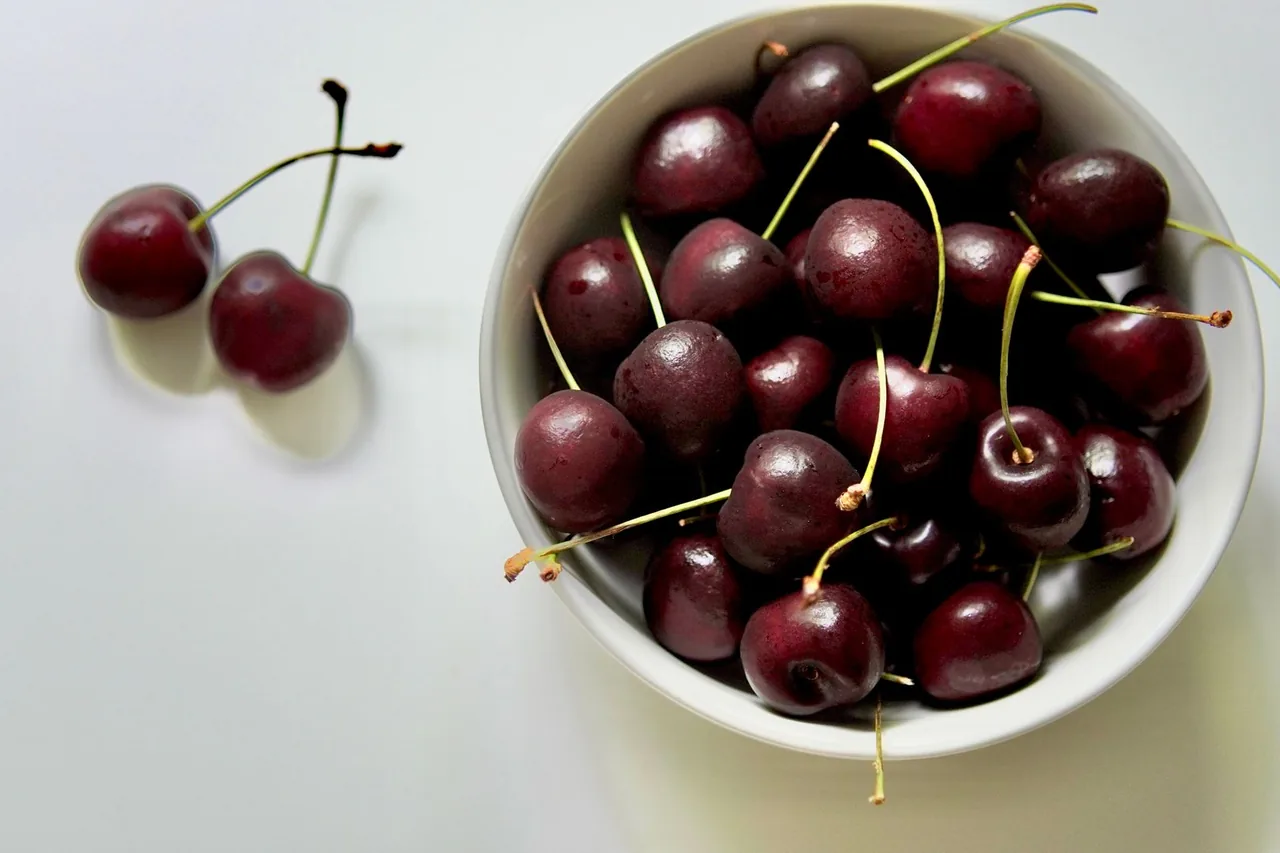
Cyanide compounds. Pet Poison Helpline explains that every part of the cherry plant except the ripe flesh contains cyanide-producing compounds, and the pit (the seed) is the main concern. The cyanide is released mainly when a pit is chewed or crushed. A whole pit swallowed intact isn’t expected to cause poisoning, which is why a single cherry usually isn’t an emergency. A dog that crunches through a lot of pits is a different matter.
Blockage. A pit swallowed whole can lodge in the stomach or intestine, especially in a small dog, causing a blockage and a lot of stomach pain. That risk doesn’t depend on chewing. Peach, nectarine and plum pits are big and hard enough to block the gut even in large dogs.
How many cherries are a problem?
- One cherry with the pit: usually not a cause for alarm, per Pet Poison Helpline. Watch for a day or two.
- Several cherries, a small dog, or pits that were chewed: call your vet or a poison line.
- A large number of whole cherries: Pet Poison Helpline advises medical attention as soon as possible, even if your dog looks fine.
- Any peach, nectarine, plum or apricot pit: call your vet, because of the blockage risk.
Signs to watch for
Possible blockage (hours to days later):
- Vomiting, especially repeated
- Poor appetite or refusing food
- Constipation, straining, or small amounts of stool
- A sore belly, restlessness or a hunched posture
Possible cyanide poisoning, which Pet Poison Helpline describes as an emergency:
- Difficulty breathing
- Dilated pupils
- Bright red gums
- Weakness, collapse or shock
Any breathing trouble or bright red gums after eating pits means go to an emergency vet now.
What to do if your dog ate cherries
- Estimate how many and whether the pits were chewed (look at what’s left and at any vomit).
- Call your vet or a poison line for more than a cherry or two, for a small dog, or for any large pit. Have your dog’s weight ready. A fee may apply.
- Don’t make your dog vomit unless a vet tells you to.
- Watch for the signs above for the next couple of days, and keep the free Pet Poison Emergency Card on the fridge.
How to share cherries safely
Pit them yourself and serve a few as a treat:
- Wash and pit fresh cherries, and remove every stem and leaf.
- Serve a few, cut in half for small dogs, as an occasional treat inside the 10% treat budget.
- Skip maraschino cherries. Pet Poison Helpline warns they’re high in sugar.
- Skip cherry pie, cherry yogurts and cherry candy, which are made for people and sometimes contain xylitol (xylitol).
If pitting feels like a chore, plenty of fruit is easier to share: blueberries, strawberries, watermelon without seeds or rind, and apple without the core. The free food safety chart puts the whole Safe / Caution / Never list on the fridge, pits included.
Pits in the yard
If you have a cherry, plum or peach tree, fallen fruit and pits are the most likely way your dog gets to them. Rake up windfalls during the season, and keep a dog who scavenges on a leash near the tree. Pet Poison Helpline notes the leaves and stems carry the same compounds, so don’t let your dog chew on fallen branches either.
Frequently asked questions
- My dog ate one cherry with the pit. Should I worry?
- One cherry is usually not a cause for alarm, according to Pet Poison Helpline: a single pit doesn't contain enough to cause cyanide poisoning, and a whole pit swallowed without being chewed isn't expected to release much at all. Watch your dog over the next day or two for vomiting, a poor appetite or constipation, which can mean a pit is stuck, and call your vet if you see them. A small dog, or a dog that ate several, is a different story: call.
- How many cherries are dangerous for a dog?
- There's no single number. Pet Poison Helpline advises that a dog that ate a large number of whole cherries needs medical attention as soon as possible, even with no symptoms. The risk depends on how many pits, whether they were chewed (crushing releases the cyanide), and the size of your dog, since a small dog is also more likely to get a pit stuck. If it was more than one or two, call your vet or a poison line with your dog's weight and your best count.
- Can dogs eat maraschino cherries or cherry pie?
- Skip both. Pet Poison Helpline warns against maraschino cherries as a pit-free alternative because of their high sugar content. Cherry pie and cherry desserts add sugar, fat and a buttery crust, and some sugar-free versions may contain xylitol, which is dangerous for dogs. If you want to share cherries, pit a few fresh ones yourself.
- Are peach, plum and apricot pits also dangerous?
- Yes. The site's Toxic-Foods Checker puts cherry, plum, peach and apricot pits in one Toxic group: the pits contain cyanide compounds released when chewed or crushed, and swallowed whole they can choke a dog or block the gut. Peach and plum pits are big enough to be a serious blockage risk even for large dogs. The ripe flesh of these fruits is fine in small amounts once the pit is out.
Educational content only — not veterinary or professional behavior advice. Consult your vet, or a certified trainer or behaviorist, for your pet. Read the full disclaimer →