Can Dogs Eat Oranges?
A peeled orange segment won't hurt most dogs, but the peel, seeds and juice are another story. How much is fine, what to remove, and why lemons and limes are a skip.
On this page
A segment or two of peeled orange is fine for most dogs, but oranges aren’t an everyday treat. The free Dog Toxic-Foods Checker lists citrus as Caution: “The peel, seeds and oils can upset the stomach in quantity; a lick of orange flesh is harmless.” Its advice: “No need to share citrus; watch for stomach upset.”
This page covers how much is fine, what to remove, and why juice and other citrus fruits are a skip.
Why oranges are a “small amounts” fruit
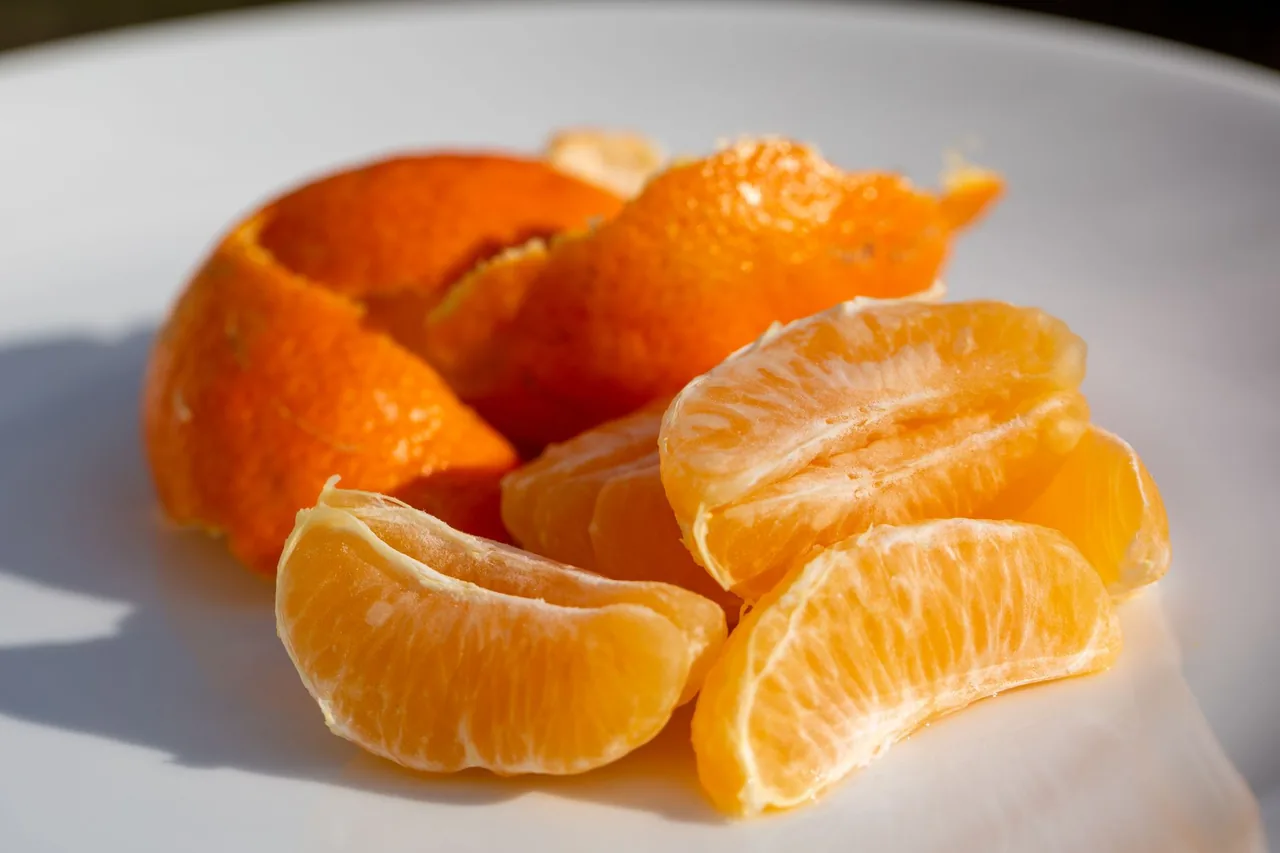
Orange flesh isn’t toxic to dogs. The AKC says oranges are fine in very small quantities, maybe one or two segments a day. The limits come from three things:
- Sugar and acid. Too much orange can cause digestive upset, the AKC notes, because of the sugar and acidity.
- The peel. It’s tough and hard to digest, and the AKC warns it can increase the risk of a gut blockage.
- The oils and seeds. The ASPCA notes citrus peels, seeds and plant parts contain citric acid and essential oils that can cause irritation and, in significant amounts, depression of the nervous system. Eating a little of the fruit is unlikely to cause more than a minor stomach upset.
How to share it
- Peel it completely, and pull off as much white pith as you can.
- Remove every seed.
- Give one or two segments, cut small for a small dog.
- Throw the peel away where your dog can’t get it.
Count it as a treat: all treats together within about 10% of daily calories, the guideline AAHA uses. Because of the natural sugar, ask your vet before giving orange, or any fruit, to a diabetic dog.
Mandarins, clementines and other citrus
Mandarins and clementines follow the same rule as oranges: a peeled segment or two. Lemons, limes and grapefruit are very sour, most dogs refuse them, and the ASPCA’s warning about peels, seeds and oils applies to all of them. Skip them.
Keep citrus essential oils away from your dog altogether. If your dog chewed up a lot of peel or got into a citrus oil or cleaner, call your vet or a poison line: ASPCA (888) 426-4435 or Pet Poison Helpline (855) 764-7661.
The orange products to skip

- Orange juice: concentrated sugar and acid, without the fiber.
- Canned mandarins in syrup: added sugar.
- Candied peel, marmalade and orange desserts: sugar, and peel.
- Orange-flavored candy or gum: sugar, and sometimes xylitol (xylitol).
Better everyday fruit
If you want a fruit to share more often, the checker lists several as Safe with more generous portions: blueberries, banana, mango without the pit and watermelon without seeds or rind. The free food safety chart puts the whole Safe / Caution / Never list on the fridge.
Frequently asked questions
- How much orange can a dog eat?
- Very little. The AKC says oranges are fine in very small quantities, maybe one or two segments a day, and too much can cause digestive upset because of the sugar and acidity. The site's Toxic-Foods Checker lists citrus as Caution: a lick of orange flesh is harmless, but there's no need to share it regularly.
- Can dogs eat orange peel?
- No. The AKC says to peel the orange completely, because the peel is tough, hard to digest and can raise the risk of a gastrointestinal blockage. The ASPCA also notes that citrus peels and seeds contain citric acid and essential oils that can cause irritation, and in significant amounts even depression of the nervous system. Throw peels away where your dog can't reach them.
- Can dogs drink orange juice?
- It's better not to. Juice concentrates the sugar and acid of several oranges without the fiber, so it's more likely to upset the stomach and adds empty calories. Water is the only drink your dog needs.
- Can dogs eat lemons, limes or grapefruit?
- Skip them. They're very sour and most dogs refuse them anyway, and the ASPCA's citrus warning about peels, seeds and essential oils applies to all of them. A dog that licks a lemon will usually make a face and walk away. If your dog chewed up a lot of peel or got into citrus essential oil, call your vet.
Educational content only — not veterinary or professional behavior advice. Consult your vet, or a certified trainer or behaviorist, for your pet. Read the full disclaimer →