Why Does My Dog Dig?
Digging is normal dog behavior with a handful of reasons behind it. Find the reason and the fix usually follows: a place to dig, a cool spot to rest, or more to do.
Dogs dig because digging pays off for them: it’s fun, it uncovers critters, it makes a cool bed, it hides a bone, or it gets them out of the yard. Humane World for Animals, VCA and the AKC all treat it as normal behavior. The fix starts with finding your dog’s reason, VCA says, because stopping the digging without meeting the need behind it can create new problems.
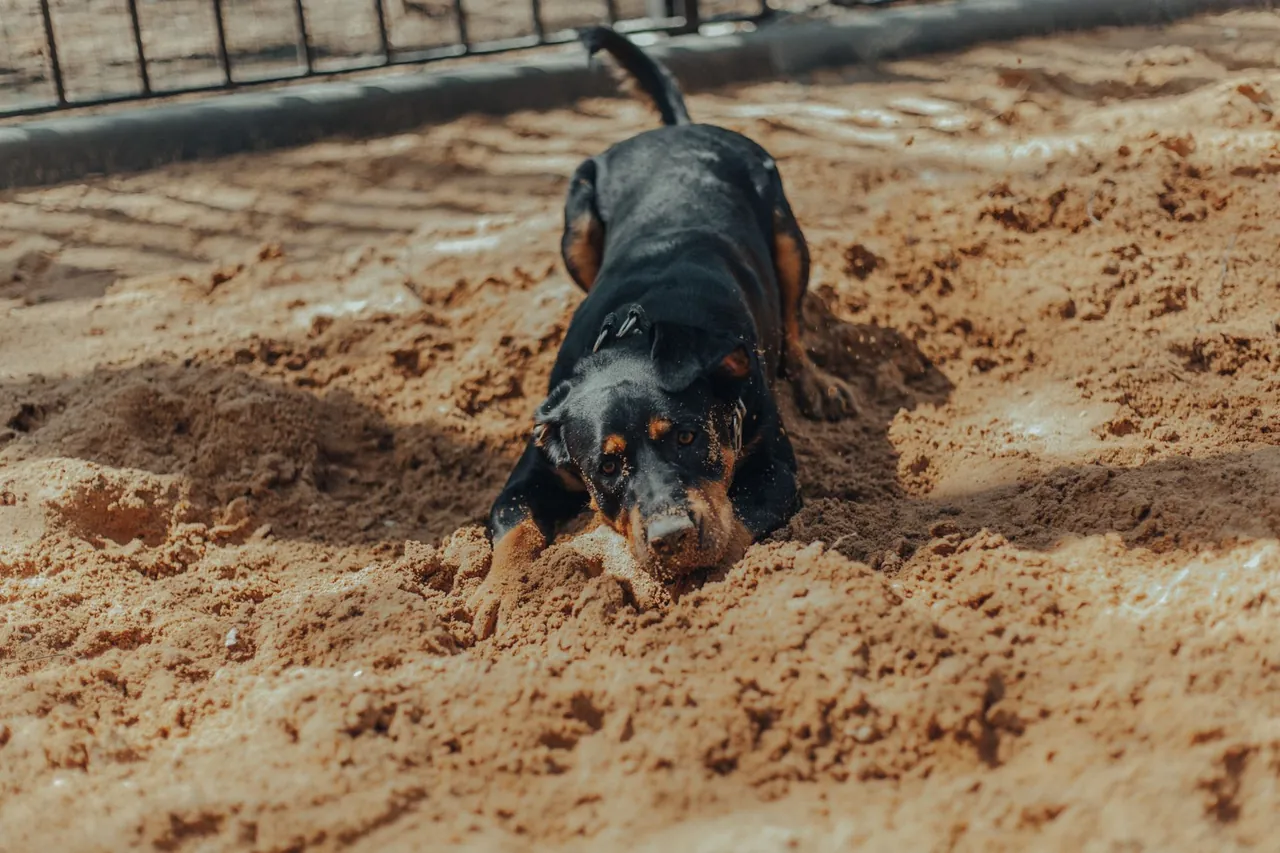
The common reasons
- Fun. Humane World points out that soil “plays back,” and VCA counts play and exploration among the most common reasons.
- Hunting. Dogs dig after burrowing animals or insects (Humane World), and the AKC notes that terriers and small hounds were bred to dig quarry out of dens.
- Cooling off or shelter. Lying in cool dirt helps in hot weather (Humane World). VCA mentions Northern breeds such as Huskies and Malamutes digging cooling holes, and the AKC notes that a den is cooler in heat and warmer in cold.
- Burying or digging up bones (VCA).
- Nesting. Pregnant females dig when nesting (VCA); see dog pregnancy week by week.
- Attention (Humane World).
- Escape, to reach something or to get away from something (Humane World).
- Boredom. The AKC says dogs left alone too long with nothing to do turn to digging.
- Anxiety. VCA and the AKC both list separation anxiety. The ASPCA says anxious dogs may dig at doors and doorways, usually while their people are out, and can break teeth, cut and scrape their paws and damage their nails.
What helps
- Name the motive first (VCA). Note when and where the digging happens.
- Offer a permitted digging spot with loose soil or sand (Humane World; VCA).
- Give shade and water. VCA recommends a shaded, cool resting area, and Humane World says to provide the comfort or shelter your dog is looking for.
- Add exercise and things to do. Humane World says to walk your dog at least twice a day, calling lack of exercise a leading cause of behavior problems; VCA adds enrichment. Try the free 30-day enrichment calendar and these boredom busters.
- Ignore attention-seeking digging and praise what you do want (Humane World).
- Bring your dog indoors when you can’t supervise; VCA calls this the most practical solution.
If stress is behind it, the AKC says to deal with that first and to expect it to take time and patience.
What not to do
- Don’t punish after the fact. Humane World says it makes fear- or anxiety-driven digging worse. (VCA allows that remote deterrents may sometimes be needed, so the sources differ here.)
- Don’t stake your dog near a hole or fill holes with water (Humane World).
- Don’t use anything toxic or dangerous to block digging (Humane World).
When to get help
VCA treats digging as normal unless it is excessive, driven by anxiety or boredom, destroying the garden, or injuring the paws. If anxiety is the root, VCA says to find the trigger and consider medication alongside behavior modification, a conversation for your vet. For persistent digging, Humane World recommends a behavior professional. Digging at doors only when your dog is alone points to separation anxiety rather than mischief, and this guide helps you tell anxiety from boredom.
Frequently asked questions
- How do I stop my dog digging holes in the yard?
- Start with the reason. VCA suggests a permitted digging area, a shaded, cool resting place with water, and more exercise and enrichment; Humane World for Animals adds at least two walks a day and ignoring digging that's meant to get your attention. If you can't supervise, VCA says bringing your dog indoors is the most practical solution.
- Why does my dog dig at the door?
- Door digging can be a sign of separation anxiety. The ASPCA notes that anxious dogs may dig at doors and doorways, usually when their people aren't there, and can break teeth, scrape their paws and damage their nails doing it. It can also be an attempt to reach something on the other side, which Humane World lists under escape digging.
- Should I fill my dog's holes with water?
- No. Humane World advises against filling holes with water or staking a dog near a hole, and against using anything toxic or dangerous. Punishing digging after the fact also backfires, because it makes fear- or anxiety-driven digging worse.
- Which dogs dig the most?
- The AKC notes that terriers and small hounds were bred to dig prey out of dens, and VCA mentions Northern breeds such as Huskies and Malamutes digging cooling holes. Any dog can dig, though: the AKC says dogs left alone too long with nothing to do turn to digging, and Humane World calls lack of exercise a leading cause of behavior problems.
Educational content only — not veterinary or professional behavior advice. Consult your vet, or a certified trainer or behaviorist, for your pet. Read the full disclaimer →